Rainy Season Car Maintenance in San Francisco: A Mechanic's Checklist
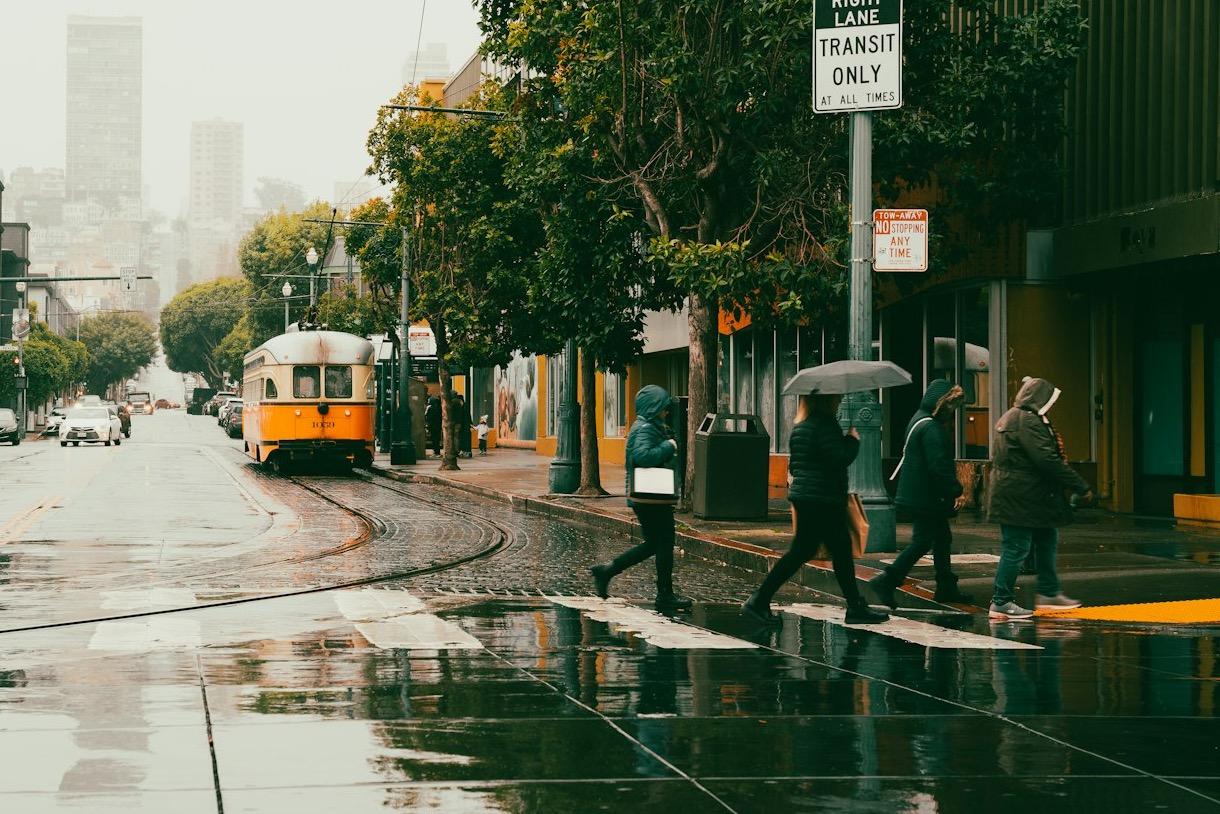
Rainy season car maintenance in San Francisco comes down to a short list. Check your tire tread (aim for 4/32 inch or more), replace wiper blades that streak, and make sure your brakes, headlights and defroster all work. Then get the battery tested, and have the alignment checked if the car pulls to one side. Aim to finish by early November, because that's when SF's real rain starts and the first storms are the slickest.
You can check most of this list yourself in about 10 minutes. Below, I'll show you how, explain what each check means on SF's hills and rails, and tell you when it's worth bringing the car in.
When does rainy season start in San Francisco?
The Bay Area rainy season runs from about November through March. October is usually light, and December is the wettest month. These are NOAA's 1991-2020 averages for the San Francisco Downtown weather station.
| Month | Average rainfall (inches) |
|---|---|
| October | 0.94 |
| November | 2.60 |
| December | 4.76 |
| January | 4.40 |
| February | 4.37 |
| March | 3.15 |
Source: NOAA NCEI U.S. Climate Normals, 1991-2020, San Francisco Downtown.
Those five months, November to March, bring about 84% of the city's 22.89 inches of yearly rain. So the practical deadline is early November. There's also a "first rain" effect: oil and grime build up on the road over the dry summer, and the first storms lift it to the surface. Those first wet days are often the slickest of the year.
The 10-minute rainy season check you can do yourself
You don't need tools for most rainy season car maintenance. Park on a flat street and go through this list, where each item has a simple pass or fail sign.
- Tire tread. Put a quarter upside down in a groove. If you can see the top of Washington's head, you're at or below about 4/32 inch.
- Tire pressure. Check it cold, before driving, against the sticker on the driver's door jamb (not the number on the tire). Pressure drops about 1 psi for every 10°F of cooling, according to AAA.
- Wipers. Run them with washer fluid. Streaks, skipping or chattering means it's time for new blades.
- Washer fluid. Top it off with real washer fluid, not plain water.
- Lights. Check headlights, taillights, turn signals and brake lights. At night, back up toward a garage door or shop window and watch the reflection when you press the brake.
- Defroster. Start the car, turn on defrost and see if the windshield clears in a few minutes.
- Dashboard. No warning lights should stay on after the engine starts.
Everything here is safe to do yourself. If anything fails and you'd rather not deal with it, book a pre-season maintenance inspection and we'll go through the rest.
Brake inspection before rainy season: stopping on wet hills
Wet pavement makes every stop longer, and SF's hills make that worse. Before the rain, make sure your pads have life left, the brakes don't grind, and the brake fluid isn't overdue. A quick inspection catches all three.
Brake fluid slowly absorbs moisture from the air over the years. Wet fluid can boil under hard use, like a steep descent from Potrero Hill, and the pedal can feel soft. Your owner's manual lists the brake fluid interval; many are every 2 to 3 years.
Two things are normal and one isn't:
- Normal: a light orange rust film on the rotors after a night parked in the rain. It wipes off in the first few stops.
- Normal: a short squeak on the first wet stop of the morning.
- Not normal: grinding, a pulsing pedal or a car that pulls when you brake. That needs brake repair in San Francisco soon, not after the season.
If you're not sure how worn your pads are, here's how long brake pads last in SF and what wears them fastest.
How much tire tread do you need for wet SF roads?
California's legal minimum is 1/32 inch of tread, under Vehicle Code section 27465. That's far too thin for rain. AAA recommends replacing tires at 4/32 inch, because its testing found worn tires added about 87 feet to a wet stop from 60 mph.
Tread grooves channel water out from under the tire. When grooves get shallow, the tire can ride up on a film of water and lose contact with the road. That's hydroplaning, and it usually happens at speed in standing water.
| Tread depth (typical) | What it means |
|---|---|
| 10/32 to 11/32 inch | About what most new passenger tires start with |
| 4/32 inch | Start planning new tires before the rain |
| 2/32 inch or less | Replace now |
SF adds its own hazards. Wet Muni rails on Third Street through Dogpatch and Mission Bay and on Market Street are slippery, and so are painted crosswalks and steel plates. Uneven wear from curbing or a bad alignment also eats tread faster on one edge. Rotating tires every 5,000 to 7,500 miles, or as your manual says, keeps wear even.
If your tread is close to 4/32, a tire inspection and replacement visit takes care of it before the rain does.
Wipers, lights and California's "wipers on, headlights on" law
Wiper blades wear out faster than most people think, and our rule of thumb is to replace them every 6 to 12 months. SF's summer sun and dry months harden the rubber, so blades that were fine in spring often streak in the first storm.
Replace them if you see:
- streaks or a haze left behind after each pass
- chattering or skipping across the glass
- cracked, torn or stiff rubber
California law ties your lights to your wipers. Under Vehicle Code section 24400, your headlights must be on whenever conditions require your wipers to run continuously. Daytime running lights alone don't always light up your taillights, so switch the headlights on yourself.
Hazy, yellowed headlight lenses also cut the light on the road. They can be restored or replaced.
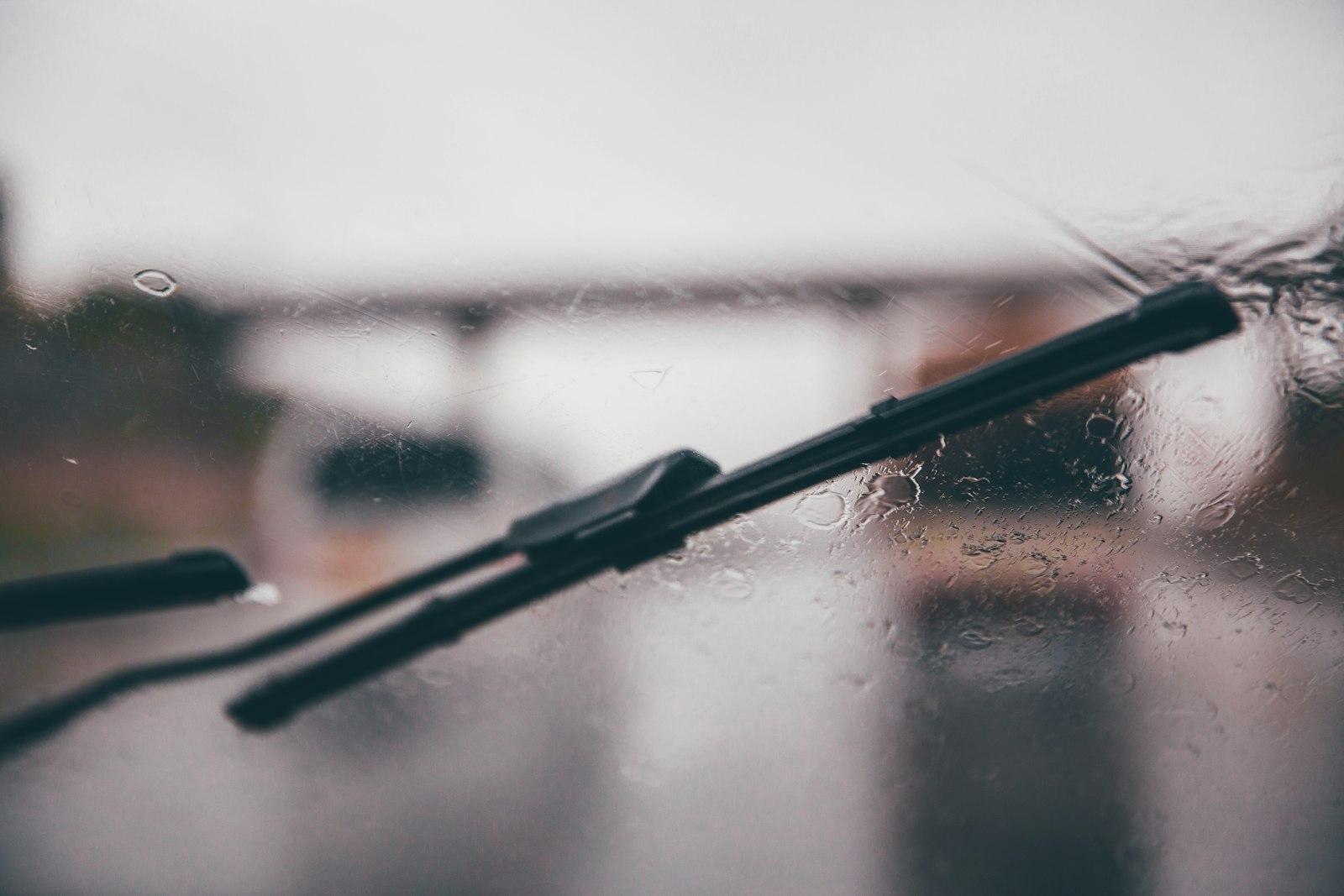
Why does your windshield fog up inside when it rains?
Fog that won't clear usually means the A/C isn't drying the air. See why your defroster won't clear the windshield for the fixes to try first.
Battery and electrical: the hidden rainy-season load
In SF, rain tests your battery more than cold does: wipers, headlights, blower and rear defroster all run at once on short trips that never fully recharge it. If your battery is 3 or more years old, a quick battery test is worth it, and here are the signs a battery is dying.
Do you need an alignment after hitting a pothole?
Not always, but check after a hard hit. Look for the car pulling to one side, a steering wheel that sits off-center on a straight road, uneven tire wear or a new clunk over bumps. Any of those means the alignment or suspension may be off.
Storms open up potholes fast, and Public Works patches them year-round. You can report one through SF311 online, in the app or by calling 311. A bad alignment wears out tires early, so a wheel alignment check after a big hit can save you a set of tires.
Leaks and smells the rain reveals
The first storm also shows where water gets in. Check for these:
- Wet headliner or floor under a sunroof: the sunroof drains are probably clogged.
- Damp carpet by a door: a door seal may be worn or torn.
- Musty smell from the vents: the cabin air filter is likely damp and dirty.
- Wet passenger floor plus a sweet smell: that's often a heater core leak, not rain. Get it checked.
What does a rainy season check cost at an SF independent shop?
Most pre-season checks cost little or nothing on their own, and the cost comes from what needs replacing. These are typical SF Bay Area independent-shop ranges. Prices vary by make and model, and we quote before any work.
| Item | What's included | Typical SF Bay Area range |
|---|---|---|
| Wiper blades, installed | Pair of front blades | $30 to $90 |
| Multipoint inspection | Tires, brakes, lights, fluids, battery | Often included with other service; up to about $150 on its own |
| Four-wheel alignment | Measure and adjust all four wheels | $150 to $250 |
| Brake pads and rotors, per axle | Pads, rotors, labor | $500 to $900 |
| Battery replacement | Battery, install, system test | $200 to $500 (standard to AGM) |
| Tires | Depends on size and brand | Quoted per tire |
Dealers typically charge more for labor than independent shops. Either way, ask for a written quote first.
Driving in SF rain: 5 habits that help
According to the Federal Highway Administration, about 77% of weather-related crashes happen during rain or mist. A few habits go a long way:
- Double your following distance. Wet stops take longer, especially downhill.
- Slow down before the hill, not on it. Brake gently at the top and keep it steady.
- Cross rails as straight-on as you can. Wet Muni tracks are slick, and crossing them at a shallow angle can catch or slide a tire.
- If you hydroplane, ease off the gas. Don't slam the brakes, and keep the wheel straight until the tires grip again.
- Skip the first half hour of the first storm if you can. That's when the oil film is worst.
Before the first big storm
Do the 10-minute check this weekend. Replace streaky wipers and top off the washer fluid yourself. If your tread is near 4/32 inch, your brakes grind, the defroster struggles or the battery is over 3 years old, get it looked at before November. Fixing it on a dry day is easier, and usually cheaper, than dealing with it in the rain.
Frequently Asked Questions
When is rainy season in the Bay Area?
In San Francisco, rainy season runs from about November through March, with December the wettest month at about 4.8 inches on average (NOAA 1991-2020 normals). Those five months bring roughly 84% of the year's rain. October is usually light, so early November is a good deadline to get your car ready.
How much tire tread do I need for rain?
California's legal minimum is 1/32 inch, but that's far too little for wet roads. AAA recommends replacing tires at 4/32 inch, since its testing showed worn tires need much longer to stop in the wet. A quarter placed upside down in a groove is a quick check: if you see the top of Washington's head, it's time to shop for tires.
How often should I replace wiper blades?
Our rule of thumb is every 6 to 12 months, or sooner if they streak, skip or chatter. Sun and dry summer months harden the rubber, so blades that seemed fine in spring often fail in the first storm. Replacing them is a quick, inexpensive job you can do yourself.
Is it worth replacing tires before rainy season if I have 4/32 left?
Usually, yes. 4/32 inch is the point where AAA recommends replacing, so you're at the line, not past it, and SF's heavy rain starts in November. Replacing in October beats shopping for tires after the first slick storm. If one edge is worn more than the other, ask for an alignment check too so the new set wears evenly.
What should I keep in my car during SF's rainy season?
A microfiber cloth for wiping the inside of the glass, a spare jug of washer fluid, an umbrella and a phone charger cover most rainy days. A small flashlight helps if you need to check a tire or a light in the dark. None of it replaces working wipers and defrost, but it makes a wet commute easier.
Andy Morales
Owner & ASE-Certified Master Technician, 415 Mechanix
Andy has worked on cars for more than 20 years and founded 415 Mechanix in Potrero Hill in 2018. He's an ASE-certified Master Technician who would rather explain a repair than upsell one.
Need Preventative Maintenance?
Book online or call us. We're on 25th Street in Potrero Hill, and we explain every repair and quote it before we start.
Learn about our preventative maintenance service →