Dealer vs Independent Mechanic in San Francisco: Cost, Warranty and When Each Makes Sense
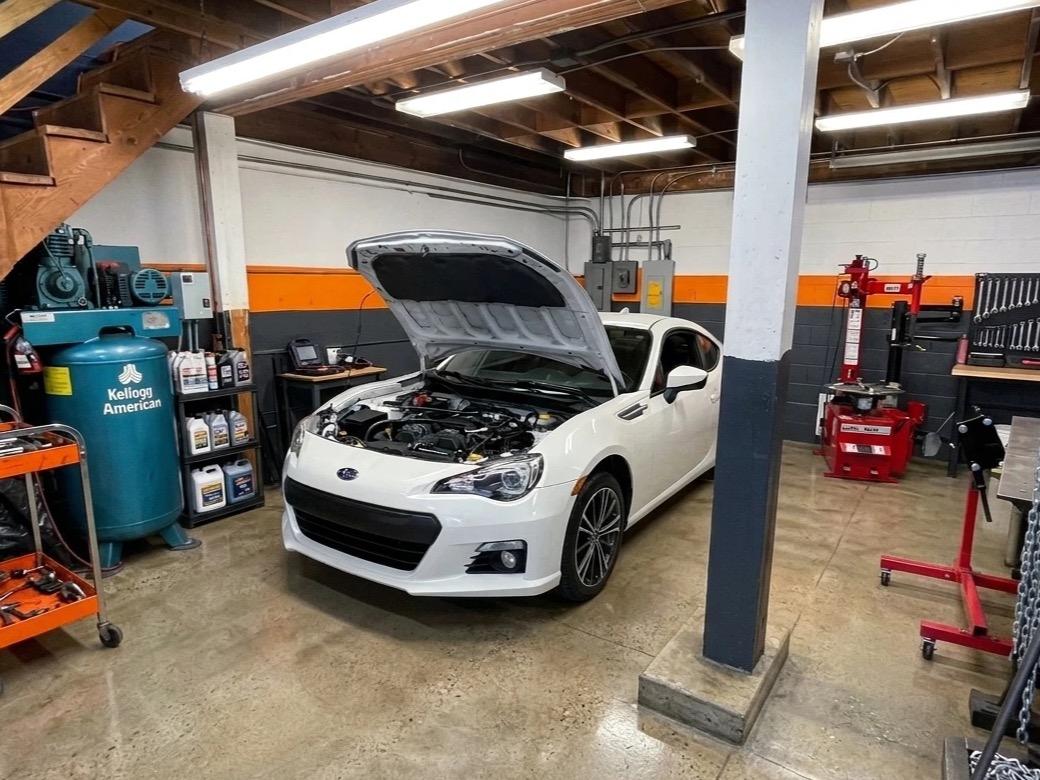
For routine maintenance and most repairs, an independent mechanic usually costs less than the dealer, and using one won't void your factory warranty. Federal law protects your right to have someone other than the dealer service your car. The dealer is still the right call for safety recalls and for repairs the warranty pays for. That's the short version of dealer vs independent mechanic.
I'm Andy Morales, owner of 415 Mechanix in San Francisco and an ASE-certified Master Technician. We run an independent shop, so I have a side in this. I'll also tell you plainly when your car belongs at the dealer.
Dealer vs independent mechanic at a glance
Here's how the two compare on the things SF drivers ask us about most. On labor, Consumers' Checkbook's Bay Area auto repair research found hourly rates running "from $125 or less to more than $300," and dealers typically charge more for labor.
| Dealer service department | Independent shop | |
|---|---|---|
| Parts used | Mostly factory (OEM) parts | OEM, OE-supplier or quality aftermarket; you can ask |
| Technician training | Factory training on the brands they sell | Varies by shop; look for ASE certification |
| Repairs the warranty pays for | Yes | No, the manufacturer pays its dealers |
| Safety recalls | Yes, free | No, but you can still check for open recalls |
| Software updates and programming | Yes | Some, depending on the shop and the brand |
| Who you talk to | A service advisor | Often the owner or the tech who worked on your car |
| Scheduling and loaner cars | Some dealers offer loaners | Varies; ask when you book |
| Routine maintenance | Higher price, same intervals | Lower price, same intervals from your owner's manual |
The total for any job varies by make and model, so compare written estimates for the same job, not hourly rates alone.
Is dealership service more expensive?
Usually, yes. Consumers' Checkbook's surveys find that, on average, Bay Area independent shops rate higher than dealers on repair quality and charge lower prices for it. The gap comes mostly from higher labor rates and extra items added to scheduled service. The individual shop still matters more than the label.
Why dealer prices run higher
Dealers carry big facilities, showrooms and loaner fleets, and that overhead shows up in the labor rate. The other cost is the dealer maintenance package. These menus sometimes add items your owner's manual doesn't call for at that mileage, like fuel-system cleanings or early fluid flushes.
Our rule of thumb: put any quote next to the maintenance schedule in your owner's manual and compare it line by line. Ask about anything that isn't in the manual. Oil is a good example: some menus push a severe-service interval your driving may not need. Here's how often to change your oil in San Francisco.
Will using an independent mechanic void my warranty?
No. Under the federal Magnuson-Moss Warranty Act, a dealer or manufacturer can't deny warranty coverage just because someone else did your maintenance or repairs. The FTC's guide to auto warranties says so directly. Aftermarket or recycled parts don't void it either.
There's one exception worth knowing. If the warranty promises that a part or a service is free, the manufacturer can require you to use the parts or shops it chooses. That's why a free maintenance plan from the carmaker is usually used at the dealer (more on that below).
This isn't legal advice. If a claim is denied and you think it's wrong, the FTC page above explains your options.
When a warranty claim can be denied
Coverage can be denied only when the outside work or part actually caused the failure. The FTC's example is a defective part, or one installed incorrectly, that damages a covered part. Even then, the FTC says the manufacturer or dealer must prove the aftermarket part caused the damage. A careful shop and good records are your protection here.
Keep these records
The FTC suggests keeping records of every repair and service. Here's what we'd keep in a folder or a phone album:
- Dated invoices showing the mileage at each visit
- The fluid used, including oil viscosity and the spec or approval number your manual asks for
- Part brands and part numbers
- A photo of the odometer at each service
California makes this easier. Every repair shop must give you an itemized invoice that lists parts and labor separately and says if any part is used or rebuilt.
Free maintenance plans and extended warranties
If your new car came with free scheduled maintenance, use it at the dealer while it lasts. It's already paid for. After it ends, you can switch.
Extended warranties are different. The FTC notes that an auto service contract isn't a warranty under federal law, because you buy it separately. Some contracts let you choose among authorized shops, others send you back to the selling dealer, and many need pre-approval before a repair. Read the contract or call the provider before you book.
What only the dealer can do
A few jobs really are dealer-only, and we'll send you there for them. It's not about skill. It's about who pays for the work and who has the factory systems.
- Safety recalls. The manufacturer must fix recalled defects at no charge, and that work is done at its dealers. Look up your car by VIN on NHTSA's recall search, which shows unrepaired recalls from the past 15 years.
- Repairs the factory warranty pays for. The manufacturer reimburses its own dealers, so a covered failure should go there.
- Some software updates and module programming. Many independents can do this for many brands, but not every shop can for every car.
- Goodwill help. If a known problem shows up just past the warranty, ask the dealer if the manufacturer will share the cost. It's worth a phone call.
OEM vs aftermarket parts: what you're actually paying for
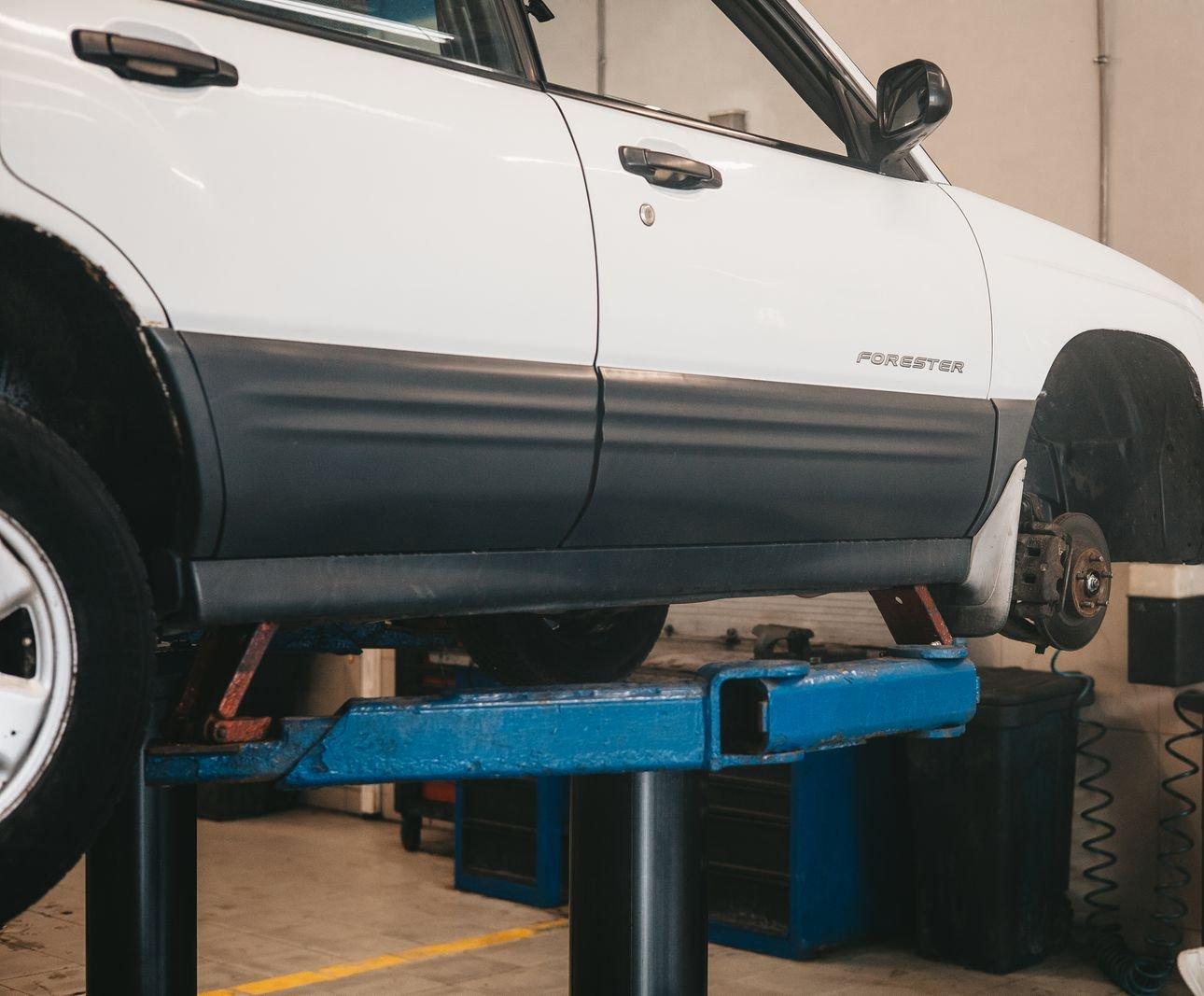
OEM parts come in the carmaker's box and cost the most. Many of them are made by outside suppliers, who often sell the same part under their own brand for less. Aftermarket parts come from other companies, and their quality ranges from excellent to poor.
| Type | What it is | Price | When it makes sense |
|---|---|---|---|
| OEM | Sold in the carmaker's box, through dealers | Highest | Some sensors and electronics, some European parts, hybrid and EV parts |
| OE-supplier | Made by a company that supplies the carmaker, sold under its own brand | Middle | Most repairs; often the same part in a different box |
| Aftermarket | Made by other companies to fit your car | Lowest to middle | Brakes, filters, batteries and suspension from known brands |
Ask the shop to name the brand of each part on the estimate. A good shop will tell you why it picked that part and offer an OEM option if you want one. SF cars spend their lives in stop-and-go traffic and on steep hills. On brakes, I'd rather pay a bit more for a known brand than save a few dollars on a no-name part.
How to choose an independent mechanic in San Francisco
Look for a shop that's registered with the state, employs certified techs, knows your make, and puts everything in writing. California law gives you strong protections at any shop, dealer or independent. Use this checklist before you hand over your keys:
- Registered with the Bureau of Automotive Repair. In California, it's unlawful to operate as a repair dealer without BAR registration. Look up any shop on BAR's Auto Shop Locator.
- ASE-certified technicians. A Master Automobile Technician has passed all eight core car tests, A1 through A8, and must recertify every five years to keep the title.
- Experience with your make. Ask what they see most. We work on domestic and import cars, including Toyota repair in San Francisco, Honda repair and BMW service and repair.
- A written estimate before work. Under California Business and Professions Code 9884.9, no work can start and no charges can accrue until you authorize it. The shop also can't charge more than the estimate without your consent.
- An itemized invoice and your old parts. Ask for your replaced parts when you approve the work. California law requires the shop to return them, with exceptions for warranty parts and items that are too big or heavy.
- Reviews that mention honesty. Speed is nice, but look for reviews that say the shop explained things and didn't push extra work. Read how the owner replies to bad reviews, too.
- A warranty on the repair. Ask how long parts and labor are covered, and get it in writing.
A good shop will also tell you when a repair isn't worth it. That honesty is worth more than a low hourly rate.
When the dealer is the right call
Go to the dealer when the manufacturer is paying or when the car is too new for outside shops to have full support. Here's our honest list:
- Your car has an open recall.
- Something covered by the factory warranty has failed.
- You still have free scheduled maintenance from the manufacturer.
- Your car is a brand-new model, where repair information and tools can take time to reach independent shops.
- Your lease or service contract says where the work must be done. Check the paperwork.
For everything else, including oil changes, brakes, tires, scheduled services and most diagnosis, you have a real choice. If your check engine light is on, here's what a check engine light diagnosis costs in SF.
Why SF drivers switch to an independent shop
Most people we meet switched for three reasons: cost, convenience and talking to the person who actually works on the car. At a small shop, the person who answers the phone often knows your car's history.
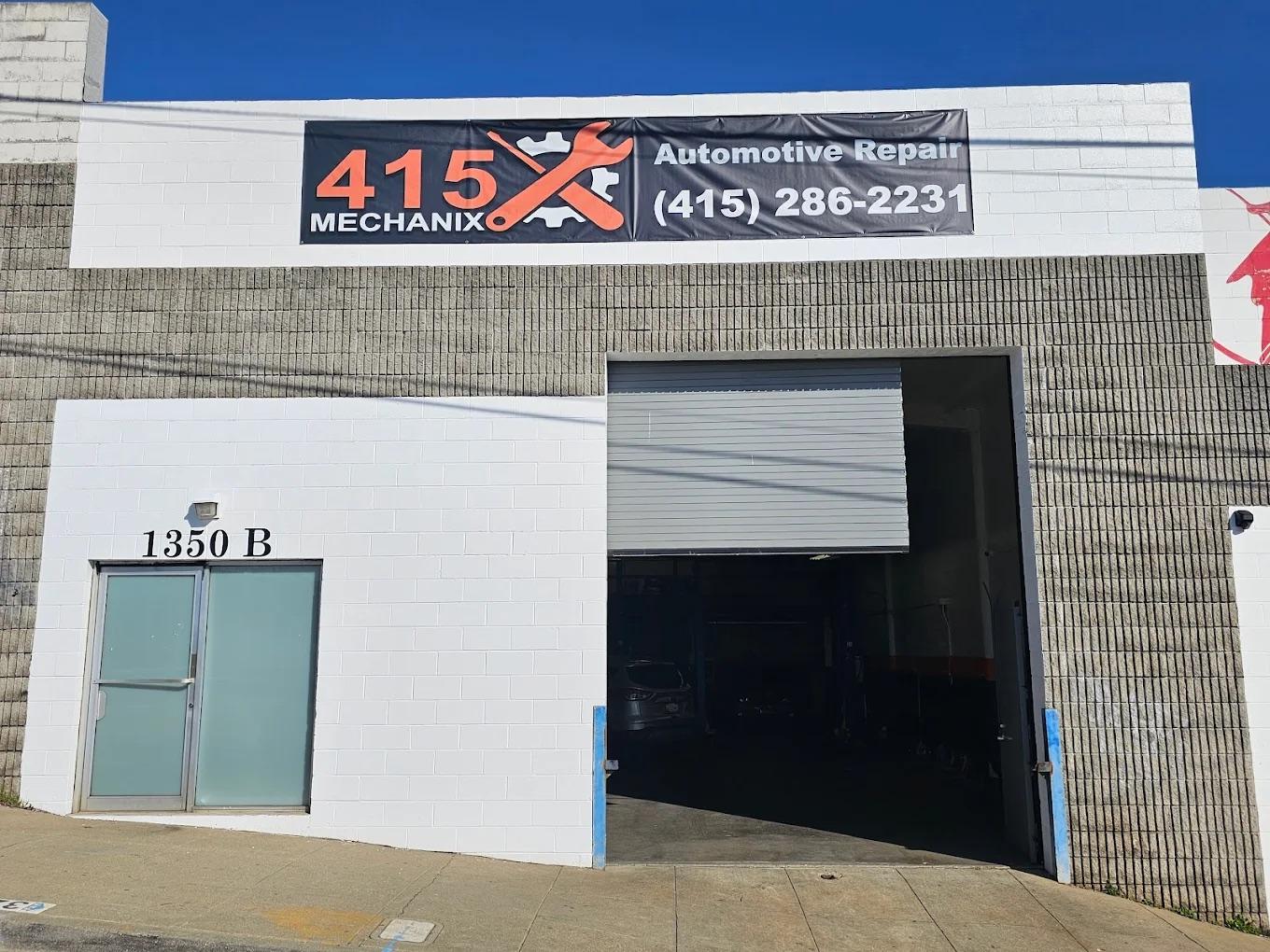
We're a family-owned shop and have been on 25th Street in Potrero Hill since 2018. If you live or work in Dogpatch, Mission Bay, SoMa or the Mission, we're close by. You can read about Andy's background and see what our customers say. One longtime customer wrote that I tell people what they need to fix now versus what can wait. That's the standard we hold ourselves to.
The practical takeaway
Use the dealer for recalls, warranty repairs and any free maintenance you already paid for. For everything else, an independent shop is usually the better value, and your warranty stays intact as long as you keep good records. Whatever shop you choose, get a written estimate, ask which parts they'll use, and keep every invoice. When you're ready, you can book a service or bring us a dealer quote to compare.
Frequently Asked Questions
Is dealer service better quality than an independent shop?
Not on average. Consumers' Checkbook's Bay Area surveys find independent shops rate higher than dealers on repair quality while charging less. The individual shop matters most, so check its BAR registration, its technicians' ASE certifications and its reviews.
Can an independent shop do my 30,000- or 60,000-mile service while my car is under warranty?
Yes. Federal law bars a dealer or manufacturer from denying warranty coverage just because someone else did the maintenance. Have the work done on the schedule in your owner's manual and keep every dated invoice with the mileage and the fluids and parts used.
Can an independent mechanic do recall repairs?
No. Safety recall repairs are free, and the manufacturer pays its authorized dealers to do them. You can check your own car for open recalls by entering its VIN at nhtsa.gov/recalls, then book the recall at a dealer and keep using your regular shop for everything else.
Do independent shops have the tools for BMW, Audi or Mercedes-Benz?
It depends on the shop. Ask whether they have a factory-level scan tool for your brand and whether they can do module programming and software updates. If they can't do a specific programming job, a good shop will say so and tell you where to go.
What does an independent mechanic charge per hour in San Francisco?
Consumers' Checkbook found Bay Area labor rates running from about $125 or less to more than $300 an hour, with dealer rates usually the higher ones. The rate alone doesn't tell you the total, so compare written estimates for the same job. Exact cost depends on the car, and you'll get a quote from us before we start.
Andy Morales
Owner & ASE-Certified Master Technician, 415 Mechanix
Andy has worked on cars for more than 20 years and founded 415 Mechanix in Potrero Hill in 2018. He's an ASE-certified Master Technician who would rather explain a repair than upsell one.
Need Preventative Maintenance?
Book online or call us. We're on 25th Street in Potrero Hill, and we explain every repair and quote it before we start.
Learn about our preventative maintenance service →