Check Engine Light On? Diagnostic Cost in San Francisco, What It Means and What's Urgent
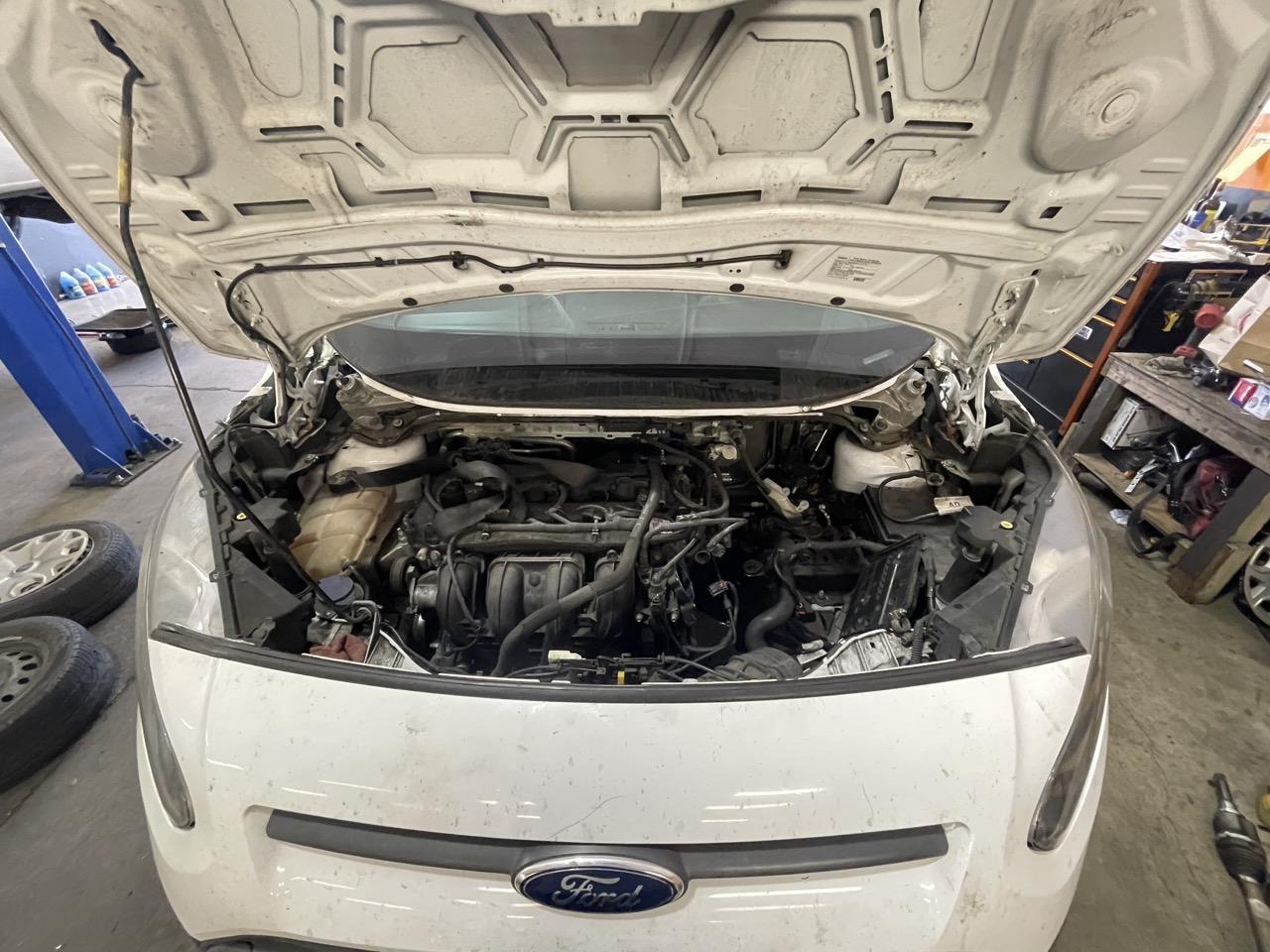
A solid check engine light means "book a diagnosis this week." A flashing one means "ease off and get off the road," because the engine is misfiring. In San Francisco, a check engine light diagnostic cost at an independent shop typically runs about $150–$250 for the first hour of testing. Dealers typically charge more for the same testing. Prices vary by make and model, and we quote before any work.
I'm Andy Morales, owner of 415 Mechanix in Potrero Hill and an ASE-certified Master Technician. Below is what the light means, when to stop driving, what the common causes cost to fix, and what you get when you pay for check engine light diagnostics in San Francisco.
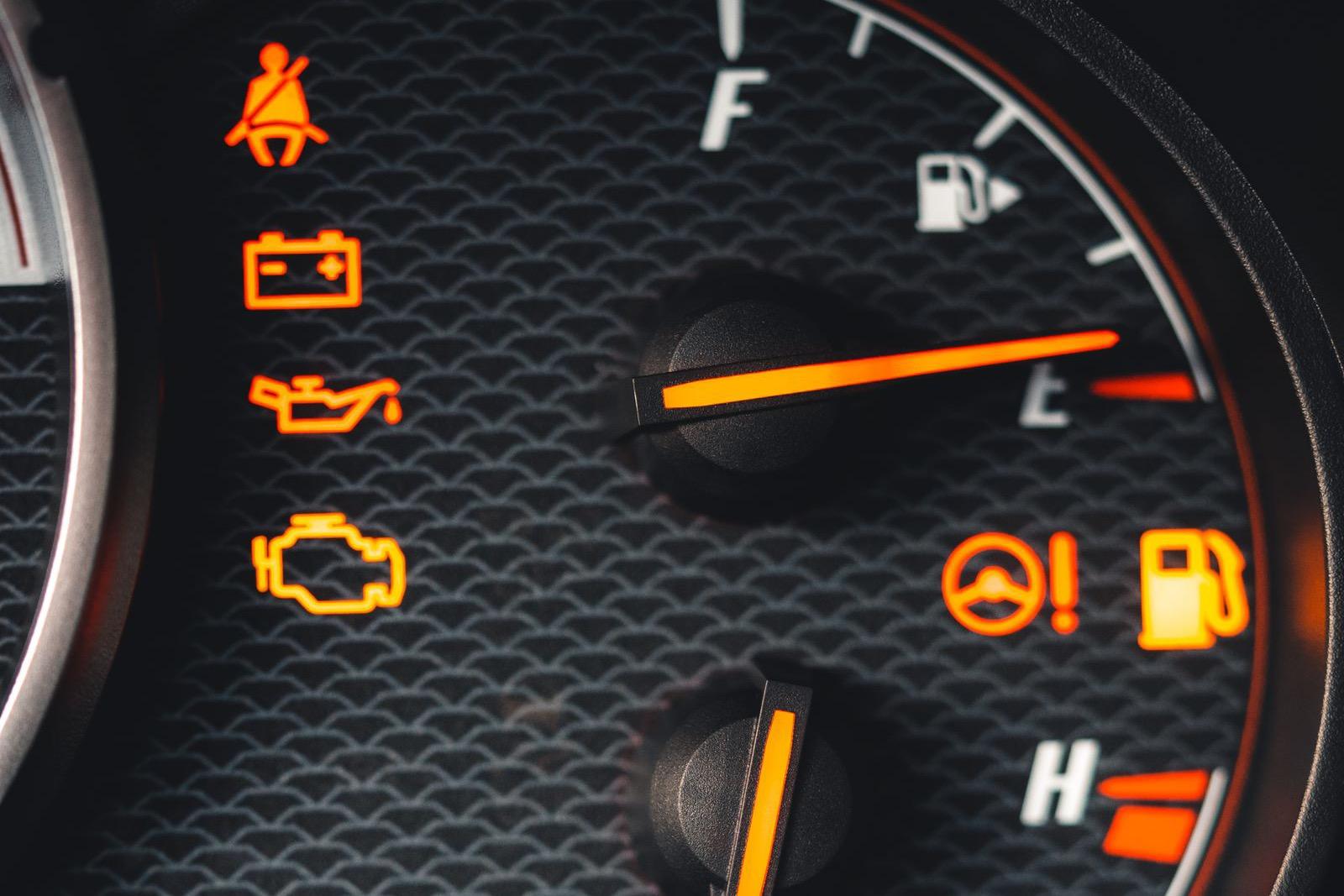
Solid vs flashing check engine light: what each one means
A solid light means the car's computer has found a fault and stored a trouble code. It's rarely an emergency, but it needs a diagnosis soon. A flashing light means the engine is misfiring badly enough to hurt the catalytic converter. California's Air Resources Board says a blinking light signals a problem "that could be damaging your catalytic converter."
| Light | What the computer is telling you | What to do | Typical causes |
|---|---|---|---|
| Solid | A fault was detected and a code was stored | Check the gas cap, then book a diagnosis within days | Gas cap, EVAP leak, oxygen sensor, catalytic converter efficiency |
| Flashing | Active misfire that can overheat the converter | Slow down, avoid hard acceleration, park as soon as it's safe | Worn spark plugs, a failed ignition coil, a fuel injector problem |
The check engine light is amber on almost every car. A red oil-pressure or temperature light is a different warning, and it means pull over now.
Flashing, then it stops (or flashes only when you accelerate)
This is a misfire that shows up under load. Climbing a hill or merging onto 280 asks more of the engine, and a weak coil or plug gives out. Once you back off, the misfire rate drops and the light goes back to solid or off. The fault is still there. Treat it like a flashing light and get it checked before the next long drive.
Can you drive with the check engine light on? A quick triage
Usually yes, if the light is solid and the car drives normally. Book a diagnosis within a week or two. If the light is flashing, or comes with shaking, overheating, a fuel smell or a loss of power, stop driving. Those combinations can turn a modest repair into a big one within miles.
| What you see | What to do |
|---|---|
| Flashing light; or any light plus shaking, overheating, low oil pressure, a fuel smell or loss of power | Stop now. Park somewhere safe and arrange a tow or call a shop |
| Solid light and the car feels different (rough idle, hesitation, worse mileage) | Book within a few days. Drive gently and keep trips short |
| Solid light, car drives normally, gas cap checked | Book within 1–2 weeks. It's not an emergency |
The only fix most drivers should try themselves is the gas cap. Take it off, put it back on, and turn it until it clicks. The light won't go off right away, even if that was the problem.
The 5 most common causes (and what each costs to fix in SF)
The check engine light diagnostic cost is only step one. What you pay next depends on the cause. These five account for most of the lights we see. Ranges are typical for SF Bay Area independent shops. Exact cost depends on the car, and you'll get a quote before we start.
| Cause | Common codes | What you might notice | Urgency | Typical SF repair range |
|---|---|---|---|---|
| Loose or bad gas cap / small EVAP leak | P0455, P0456, P0457 | Nothing, or a faint fuel smell | Low | $20–$60 (cap) |
| Oxygen sensor | P0130–P0167 | Worse gas mileage | Medium | $250–$550 per sensor |
| Misfire: spark plugs or ignition coil | P0300, P0301–P0308 | Shaking, rough idle, flashing light | High | $200–$700 |
| Catalytic converter efficiency | P0420, P0430 | Sluggish power, rotten-egg smell | Medium (find the cause first) | $1,200–$3,500+ |
| EVAP purge or vent valve | P0441, P0443, P0446 | Rough idle after fueling, hard start | Low | $200–$600 |
Loose or bad gas cap / small EVAP leak
The EVAP system traps fuel vapor so it doesn't escape from the tank. A cap that isn't clicked tight, or a cracked seal, reads as a leak. Tighten it and give the car several days of normal driving. If the light stays on, a new cap is cheap. If that doesn't clear it, the leak is somewhere else in the system.
Oxygen sensor
Oxygen (O2) sensors measure what's left in the exhaust so the computer can adjust the fuel mix. A lazy sensor costs you gas mileage, and over time a rich mixture can wear out the catalytic converter. Codes from P0130 to P0167 point here, but wiring faults and exhaust leaks can set the same codes.
Misfire: spark plugs or ignition coils
P0300 means a random misfire. P0301 through P0308 name the cylinder, so P0303 is cylinder 3. This is the usual cause of a flashing light. Old plugs and failing coils top the list, and swapping a coil to another cylinder shows whether the misfire follows it. V6 engines with plugs at the back cost more because of the labor.
Catalytic converter efficiency (P0420/P0430)
This code says the converter isn't cleaning the exhaust as well as it should. It's often the result of another problem, such as a misfire, oil burning or a bad O2 sensor. Diagnose that first, or a new converter can fail the same way. In California, an aftermarket converter must carry a CARB Executive Order for your car, which is part of why prices run higher here. We handle replacements through our catalytic converter and exhaust repair service.
EVAP purge or vent valve and other EVAP leaks
The purge valve lets stored fuel vapor into the engine to be burned. When it sticks, you may get a rough idle right after filling up. We find small leaks with a smoke test, which pushes visible vapor through the system until it shows where it escapes.
Also common: a dirty mass airflow (MAF) sensor, a vacuum leak, a stuck-open thermostat, and low voltage from a weak or recently replaced battery.
Check engine light diagnostic cost in San Francisco: free scan vs independent shop vs dealer
A free parts-store code read costs nothing and tells you the code. A diagnosis at an independent SF shop typically costs $150–$250 and tells you the cause. Dealers typically charge more for the same testing. The code is a starting point. The diagnosis is what saves you from buying parts you don't need.
| Free parts-store code read | Independent SF shop | Dealer | |
|---|---|---|---|
| Typical price | Free | About $150–$250 | Typically higher |
| What you get | The code and a printout of likely fixes | Code, freeze-frame and live data, pinpoint tests, a written repair quote | Same testing, with factory tools for that brand |
| Who stands behind the answer | No one; it's a list of possibilities | The technician who did the testing | The dealer's technician |
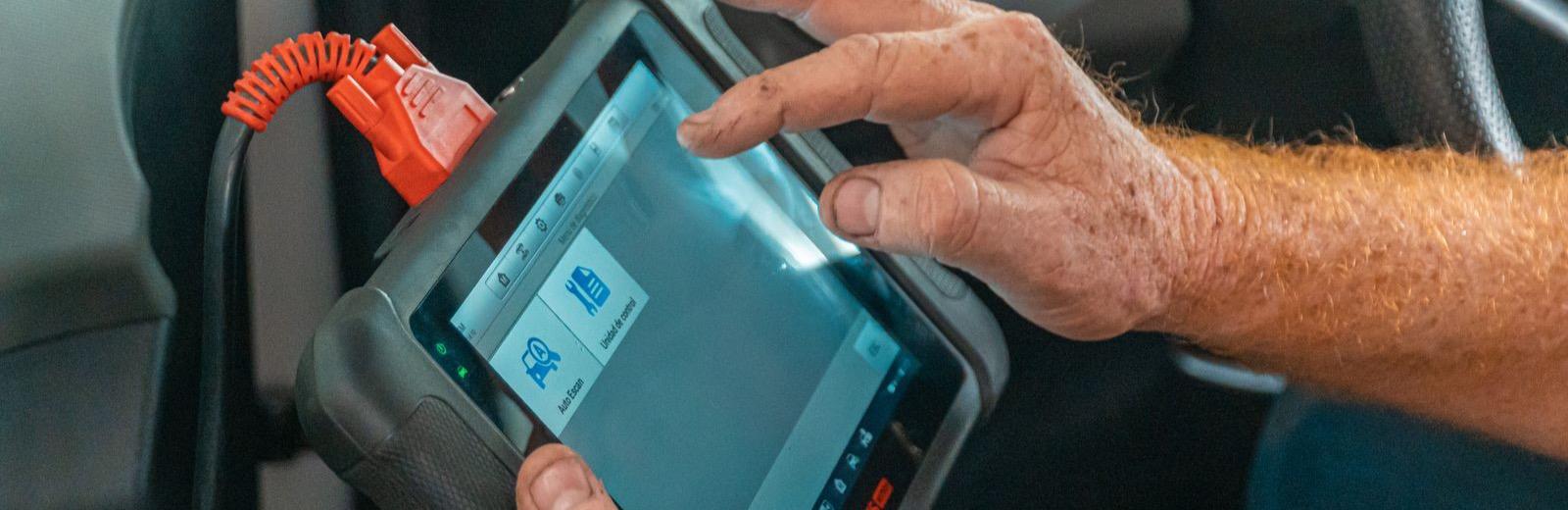
Many auto parts stores offer free code reads, including O'Reilly and AutoZone. That's a useful first step, and it can hint at whether the problem is small. It won't test the part the code points to.
Why a code isn't a diagnosis
A trouble code tells you which test the computer failed, not which part broke. P0420 is the classic example. The converter may be worn out, but an exhaust leak ahead of the rear O2 sensor, or a sensor that's reading wrong, can set the same code. Testing the sensors and checking for leaks costs far less than a converter.
Your rights: a written estimate first
California law requires a repair shop to give you a written estimate for parts and labor. Under Business and Professions Code §9884.9, no work can be done and no charges can build up until you authorize it. The shop also needs your consent before going over the estimate. For more on comparing quotes, see how to choose a repair shop in SF.
Two things that make the diagnosis faster
Once you've used the triage table above and checked the gas cap, two habits help the technician find the fault sooner:
- Note what the car was doing when the light came on: cold start, climbing a hill, at freeway speed, or just after fueling.
- Don't clear the code or disconnect the battery. It erases the freeze-frame data we use to find the fault, and the light will come back if the fault is still there.
Why SF driving sets off check engine lights
City driving is hard on the parts that trigger this light. On SF cars we often see these patterns:
- Short trips. A run from Dogpatch to the Mission may never fully warm the engine, O2 sensors and converter. Several of the car's emissions self-tests need a fully warm engine to run.
- Stop-and-go traffic. Long idles and constant restarts add wear to plugs and coils.
- Hills. Climbing under load finds a weak ignition coil fast. That's why a misfire often shows up first on a steep block. More on what SF hills do to your car.
- Street parking. A car that sits for days loses battery voltage, and low voltage can log codes on start-up.
Failed smog? We fix the cause
A check engine light is one of the most common reasons a car fails smog. California's Smog Check fails a car if the light is on while the engine is running. It also fails a car whose readiness monitors are incomplete. These are the self-tests the car runs on its own emissions parts. Under the current rules, 2000-and-newer gas cars can pass with only the EVAP monitor incomplete; BAR is phasing in stricter rules.
Clearing the code right before the test doesn't help. Disconnecting the battery or clearing codes resets the monitors, and the car then has to finish its self-tests through normal driving.
What the car needs is the repair. We find the fault, fix it, and confirm the monitors have run so the car is ready for its retest. That's part of our emissions-related diagnosis and repair work.
Solid means book it, flashing means stop
A solid light means book a diagnosis soon; a flashing light means stop driving. Try the gas cap, don't clear the code, and pay for a diagnosis rather than a guess. A free code read is a fine first step, but the test is what tells you which part to replace. In SF, expect a diagnosis to cost about $150–$250 at an independent shop, depending on the make and model.
Frequently Asked Questions
Will the check engine light turn off by itself?
Sometimes. If the fault was temporary, like a gas cap that wasn't tightened, the light often goes off after several days of normal driving. The code usually stays stored in the computer's memory, so a technician can still see what happened. If the light comes back, the fault is still there.
Can an auto parts store diagnose my check engine light for free?
Many auto parts stores will read the trouble code for free and print a list of likely fixes. That's a helpful starting point, but a code only says which test the car failed, not which part is bad. A diagnosis adds live data and pinpoint tests so you don't pay for parts you don't need.
Why did my check engine light come on after a battery change or an oil change?
After a battery change, low voltage or a reset computer can log codes until the car relearns. After an oil change, a loose oil cap or a bumped sensor connector is a common cause. If the light stays on for more than a few days of driving, have the code read.
Why is my check engine light on but the scanner shows no codes?
Basic code readers only see generic codes. Some faults are stored as pending codes or as manufacturer-specific codes that a simple reader can't display. A professional scan tool can read those, along with the freeze-frame data saved when the light came on.
How much does it cost to fix a check engine light?
It depends on the cause. In San Francisco, a check engine light diagnosis cost at an independent shop is typically about $150 to $250, and repairs range from a $20 to $60 gas cap to $3,500 or more for a catalytic converter. Every car is different, so you get a written estimate before any repair starts.
Andy Morales
Owner & ASE-Certified Master Technician, 415 Mechanix
Andy has worked on cars for more than 20 years and founded 415 Mechanix in Potrero Hill in 2018. He's an ASE-certified Master Technician who would rather explain a repair than upsell one.
Need Diagnostics & Electrical?
Book online or call us. We're on 25th Street in Potrero Hill, and we explain every repair and quote it before we start.
Learn about our diagnostics & electrical service →