Signs Your Car Battery Is Dying (and Why It Keeps Dying in San Francisco)
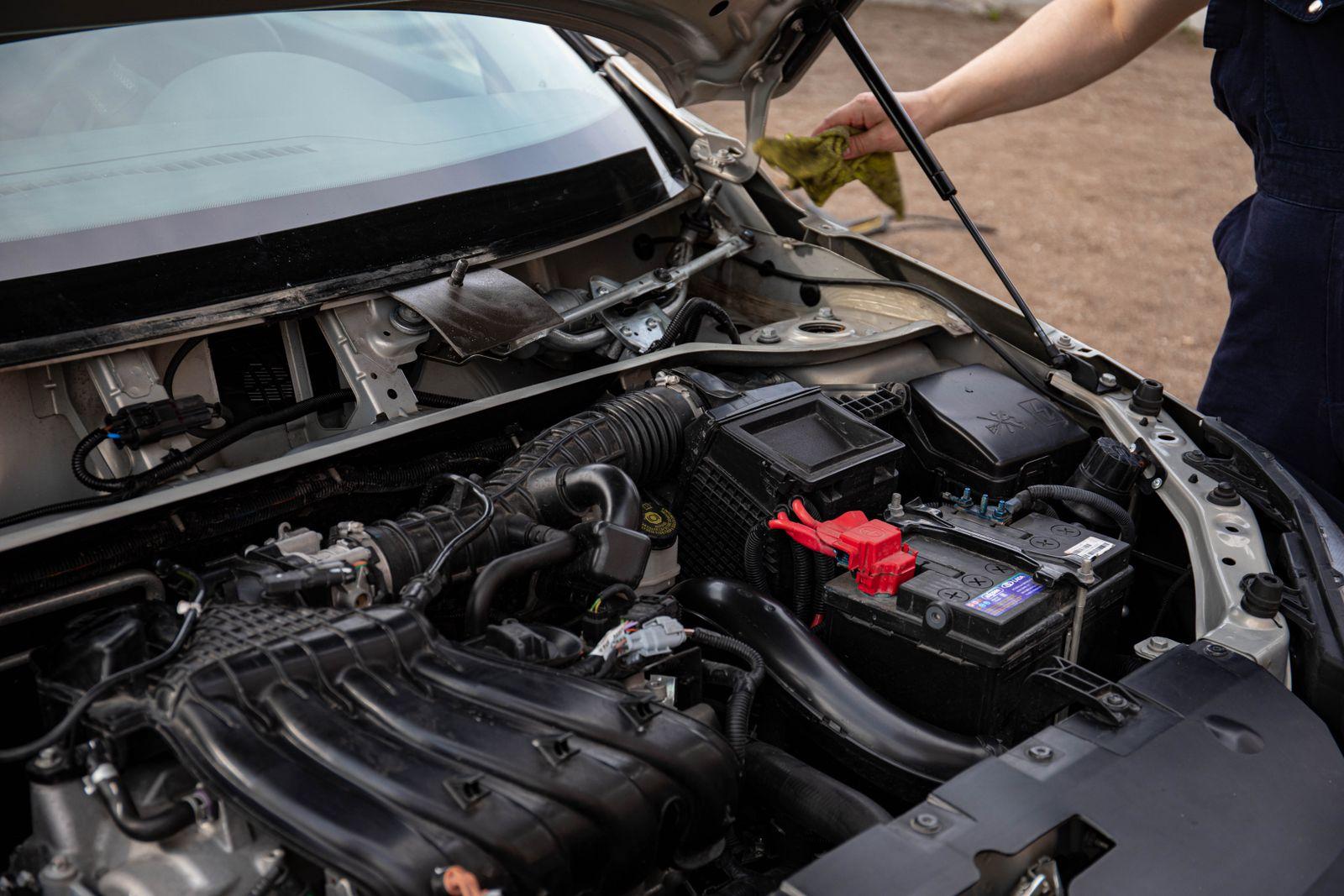
The most common signs your car battery is dying are a slow, labored crank, clicking when you turn the key, dim lights at startup, and a battery warning light on the dash. In San Francisco, the usual reason a battery keeps dying isn't cold weather. It's short trips and days parked on the street. And sometimes the real problem is the alternator or starter, not the battery at all. That's why our car battery testing and replacement always checks all three before we sell you anything.
7 Signs Your Car Battery Is Dying
Most batteries give you some warning before they quit. These are the signs of a dead battery on the way. If you notice one or more, get it tested before it leaves you stuck on a Potrero Hill slope or a side street in the Mission.
- Slow or labored cranking. The engine turns over with a lazy "rr-rr-rr" before it catches, especially on the first start of the day.
- Clicking but no crank. Rapid clicking when you turn the key usually means the battery doesn't have enough power to spin the starter.
- Dim or flickering lights at startup. Headlights and dash lights dip hard when you start the car, or flicker at idle.
- A battery or charging warning light. This light points at the charging system as a whole, so it can mean the battery, the alternator or the wiring.
- Electrical glitches. The radio resets, power windows move slowly, or the start-stop system stops shutting the engine off at lights.
- Corrosion or a swollen case. White or green crust on the terminals, or a battery case that bulges at the sides.
- Age. Most car batteries last about three to five years, according to AAA. Past that, any of the signs above deserve a test.
Why Does My Car Battery Keep Dying?
A car battery usually keeps dying for one of five reasons. It's past the three-to-five-year mark, your trips are too short to recharge it, the car sits for days, something drains it while parked, or the alternator isn't charging it. Loose or corroded terminals come next. In the city, short trips and sitting cause most repeat dead batteries.
Short trips and street parking in SF
Starting the engine takes a big gulp of charge. Interstate Batteries describes a battery's job as one short, powerful burst to start the car, followed by about 20 minutes of recharging from the alternator. A five-minute hop from Potrero Hill to Mission Bay, much of it idling at lights, doesn't put that charge back.
Then the car sits on the street for days. Alarms, keyless entry and connected-car modules all sip a little power while it's parked. Each short trip leaves the battery a bit lower than the last, until one morning it just clicks. On SF cars we often see this pattern with people who work from home and mostly move the car for street cleaning.
Parasitic drain
A parasitic drain is something that keeps drawing power after the car is off. Common culprits are an aftermarket alarm or dashcam wired straight to the battery, or a trunk light that stays on. A computer module that won't go to sleep can do it too. Interstate puts normal draw for most vehicles at about 20 to 50 milliamps, and higher on many cars built after 2009 (Interstate Batteries). The exact limit for your car comes from the manufacturer.
Weather isn't the main villain here
Most battery articles blame cold weather, but SF rarely freezes. The 1991 to 2020 normals for the downtown San Francisco station show essentially zero days a year at or below 32°F (NOAA). So here, look at age, short trips and drains before you blame the fog. The exception is a trip to the mountains: if you're driving to Tahoe in winter, get an older battery tested first. Heat under the hood still ages a battery over time, though (Interstate Batteries).
Battery, Alternator or Starter? How to Tell
If a jump start gets you going and the car restarts fine later, suspect the battery. If it dies again soon after a jump, or dies while you're driving, suspect the alternator. If the lights stay bright but you hear one click and nothing else, suspect the starter or a bad cable. A charging-system test confirms which one it is.
| What happens | Most likely cause | Next step |
|---|---|---|
| Slow crank, then it starts | Weak battery | Battery load test |
| Rapid clicking, dim lights | Discharged or failing battery | Jump, then test |
| One click, bright lights, no crank | Starter, solenoid or a bad cable | Starter and cable test |
| Starts with a jump, dead again within a day | Alternator not charging, or a parasitic drain | Charging-system and draw test |
| Battery light on while driving, lights dim, car stalls | Alternator or drive belt | Pull over safely; tow or come in |
| Dead after sitting a few days, fine otherwise | Short trips or a parasitic drain | Draw test; longer drives or a maintainer |
| New battery, and it keeps dying | Alternator, drain or wrong battery type | Don't buy another battery yet; test the system |
The alternator is the engine-driven generator that recharges the battery and runs the electronics while you drive. When it fails, the car runs on battery power alone until the battery is flat, which is why a car with a bad alternator can die in traffic. AAA notes that alternators usually outlast batteries and become a likely suspect at around 7 to 10 years old. On a younger car, the battery is usually the first thing to test.
The starter is the small motor that turns the engine over. A failing one often clicks once, or works only some of the time. We handle starter and alternator repair along with the wiring between them, since a corroded cable can look just like a dead starter.
Why Is My Battery Dying After Only 1 to 2 Years?
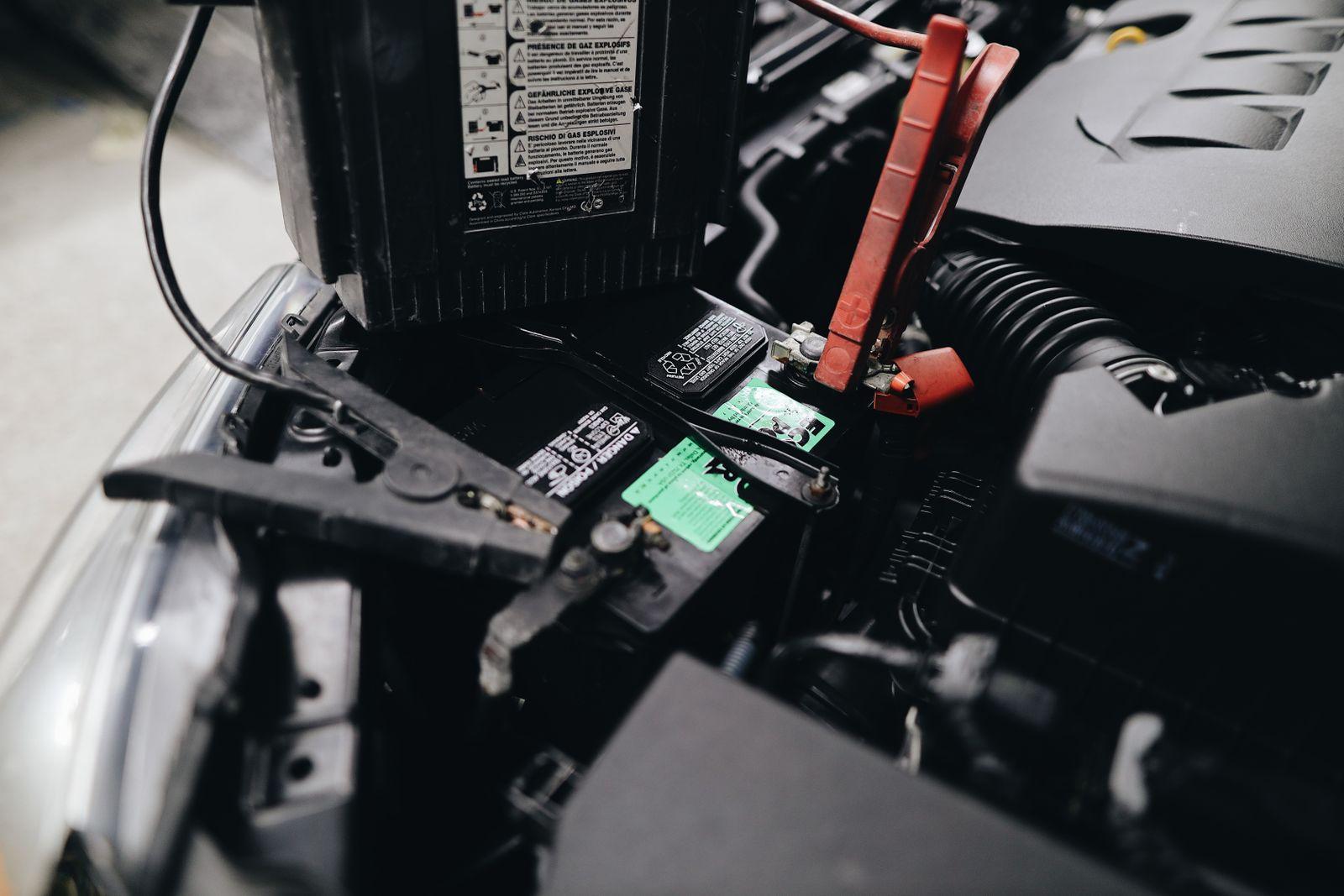
A battery that dies after one or two years is almost always being undercharged or drained, not defective. The usual causes are short city trips, a parasitic drain, a weak alternator, or the wrong type of battery for a car with start-stop. Replacing it without finding the cause usually means buying another one within a year.
That last cause is easy to miss. Cars with automatic start-stop usually come with an AGM or EFB battery, which are built for constant restarts. Battery maker VARTA says a start-stop battery can only be replaced with the same type, and that a normal battery in its place wears out quickly.
Many batteries also come with a free-replacement period. A proper test tells you if it's a warranty claim or a car problem that will kill the next battery too.
How We Test a Battery and Charging System
A basic voltage check is the starting point. According to AAA, a healthy battery reads around 12.6 volts with the car off and around 14 volts with the engine running. The middle rows below are our shop rule of thumb, not a pass or fail on their own.
| Reading | What it suggests |
|---|---|
| About 12.6 V or higher, engine off and rested | Fully charged |
| About 12.4 V, engine off | Partly discharged; recharge and retest |
| 12.2 V or lower, engine off | Low; needs a charge and a load test |
| Around 14 V, engine running | Alternator charging normally |
| Well under 13 V, engine running | Charging problem; test the alternator and belt |
A voltage reading is only a snapshot, though. In our shop we also load-test the battery and check the alternator's output. We measure how much current the starter pulls, then test for parasitic drain over time with the car's modules asleep. That last step takes patience, since some modules stay awake for a while after you lock the car.
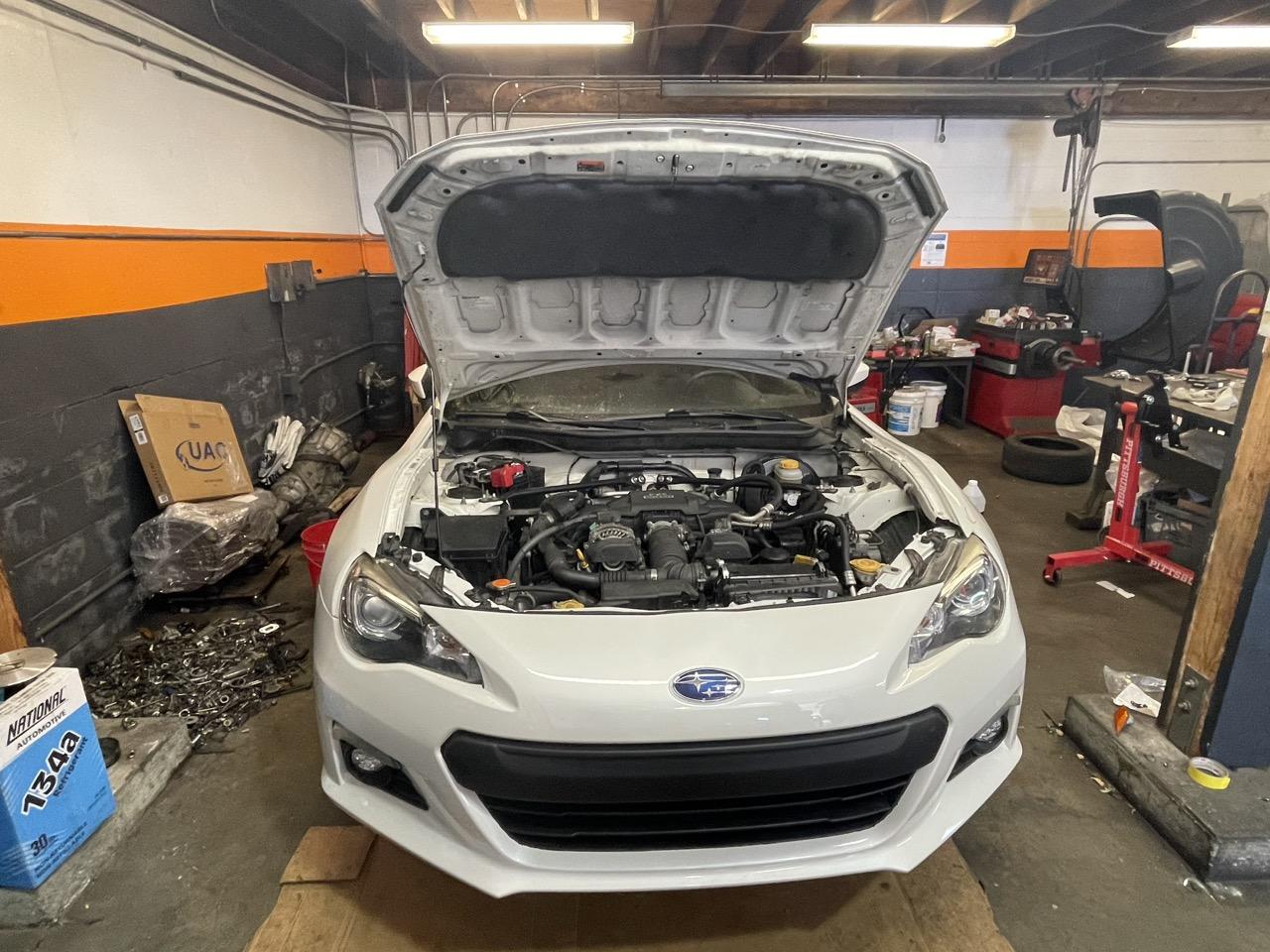
Can you check it yourself? A $20 multimeter will tell you the battery's voltage, and that's a useful first step. It won't find a slow drain or a failing alternator diode, so a car that keeps dying still needs a full test.
What Battery, Alternator and Starter Repairs Cost in San Francisco
At Bay Area independent shops, an installed standard battery typically runs about $200 to $350, and an AGM battery about $300 to $500. Alternator and starter replacement usually lands between roughly $550 and $1,300. Every car is different, so we give you a written estimate first.
| Job | SF Bay Area independent shop (estimate) | National average (RepairPal) |
|---|---|---|
| Standard battery, installed | $200 to $350 | n/a |
| AGM or start-stop battery, installed | $300 to $500 | n/a |
| Battery registration (some BMW, Audi, VW) | add $50 to $150 | n/a |
| Parasitic drain diagnosis | $180 to $450 | n/a |
| Alternator replacement | $700 to $1,300 | $809 to $1,088 |
| Starter replacement | $550 to $1,100 | $565 to $796 |
National averages come from RepairPal's estimators for alternator and starter replacement, before tax and without adjusting for location. The wide spread comes down to the car. A battery tucked under a seat or behind a bumper takes more labor, and some alternators are buried deep in the engine bay. Dealers typically charge more for labor than independent shops. Your exact quote for battery replacement depends on your make, model and battery type.
What to Expect After a New Battery
After a new battery goes in, you may need to reset the radio presets, clock and one-touch windows. Many BMW, Mini, Audi and VW models also need the new battery registered with the car's computer. Otherwise the charging system keeps treating it like the old, worn one (Midtronics). We register the battery as part of the install on BMW and other cars that need it.
On many cars, disconnecting the battery resets the emissions self-tests, which then need normal driving to complete again.
How to Make Your Battery Last Longer in the City
You can't change SF traffic, but a few habits help a battery go the distance:
- Take one longer drive a week. Twenty to thirty minutes at a steady speed, or use a battery maintainer if you have a garage with power.
- Don't sit with the engine off and the radio or fan running. Waiting in a loading zone with the heater on drains it fast.
- Have accessories wired properly. Dashcams and alarms should shut off or go to low-power mode when the car is parked.
- Keep the terminals clean and tight. Corrosion and loose clamps stop the alternator from charging fully.
- Test it every year after year three. A test takes a few minutes and is easy to add to a preventative maintenance visit.
If your car is due for its fall check, our rainy-season car checklist covers the battery along with wipers, tires and brakes.
A dying battery rarely fails without a few warnings. Notice the slow crank or the click, get a test before you buy a new battery, and you'll usually find the real cause the first time.
Frequently Asked Questions
How long do car batteries last in San Francisco?
AAA puts the typical life of a car battery at three to five years. In SF, cold is rarely the issue, but short trips and cars that sit on the street for days can shorten that. We suggest a quick battery test every year once yours passes the three-year mark.
Can a car battery die from sitting for two weeks?
Yes, it can. Every modern car draws a small amount of power while parked, and a battery that's older or already low may not survive two weeks. If the car dies after only a few days, have it checked for a parasitic drain.
My car clicks but won't start. Is it the battery or the starter?
Rapid clicking with dim dash lights usually points to a weak or discharged battery. A single loud click with bright lights points more toward the starter, its solenoid or a bad cable. A shop test of the battery, starter and cables tells you for sure.
Why does my car battery keep dying even though it's new?
A new battery that keeps going flat usually isn't defective. Something is draining or undercharging it, such as an alternator that isn't charging, a dashcam or alarm drawing power, or the wrong battery type for a start-stop car. Get the charging system tested before buying another battery.
Will a free parts-store battery test catch an alternator problem?
Sometimes. A quick test can show a weak battery and a rough charging voltage, but it can miss a slow parasitic drain or an alternator that only fails when it's hot or under load. A full charging-system and draw test is more thorough.
Andy Morales
Owner & ASE-Certified Master Technician, 415 Mechanix
Andy has worked on cars for more than 20 years and founded 415 Mechanix in Potrero Hill in 2018. He's an ASE-certified Master Technician who would rather explain a repair than upsell one.
Need Battery Service?
Book online or call us. We're on 25th Street in Potrero Hill, and we explain every repair and quote it before we start.
Learn about our battery service service →