Car Heater Blowing Cold Air or Defroster Not Working? Causes, What's Urgent and SF Repair Costs
If your car heater is blowing cold air, the usual causes are low coolant from a leak, a thermostat stuck open, a clogged or leaking heater core, a failed blend door actuator, or a bad blower motor or resistor. Most are straightforward repairs. One combination is not a wait-and-see problem: cold air from the vents plus a temperature gauge that's climbing. That means the engine is low on coolant. Pull over and turn it off.
Below, match your symptom to the likely cause, how urgent it is and what it costs at an SF independent shop. A defroster that won't clear the glass even when the heat works has a different fix, covered further down.
Heater blowing cold air? Start with the symptom
Find the row that matches your car. The urgency column tells you whether to pull over, book this week, or wait until it's convenient.
| Symptom | Most likely cause | How urgent | Typical SF repair range |
|---|---|---|---|
| Cold air and the temperature gauge is climbing | Low coolant, a leak, a failing water pump or a head gasket | Stop driving | Leak repair $150–$500; water pump $500–$1,200; head gasket quoted after diagnosis |
| Cold or lukewarm air, gauge stays low or takes forever to warm up | Thermostat stuck open | Soon | $250–$600 |
| Warm while driving, cold at idle | Low coolant, an air pocket or a weak water pump | Soon (check coolant) | $150–$500; water pump $500–$1,200 |
| Hot on one side, cold on the other | Blend door actuator (dual-zone systems) | Not urgent | $250–$800 |
| Clicking or tapping behind the dash | Blend door actuator | Not urgent | $250–$800 |
| No air at all, or air only on the highest fan speed | Blower motor or blower resistor | Soon if you need defrost | Resistor $150–$400; motor $300–$700 |
| Heat works but the windshield won't clear | A/C compressor not engaging, low refrigerant, recirculate mode or a clogged cabin filter | Fix soon (visibility) | A/C leak test and recharge $200–$500; compressor $1,200–$2,800 |
| Sweet smell, greasy film on the glass, wet passenger floor | Leaking heater core | Soon | Flush $150–$350; replacement $900–$2,500+ |
| Rear window won't clear | Rear defroster fuse, grid line or terminal tab | Low to medium | $75–$250 |
Estimates only. Prices vary by make and model, and we'll quote before any work.
Is it safe to drive with the heater blowing cold air?
It depends on the temperature gauge. If the gauge is normal, you can usually drive short-term, as long as you can keep the windshield clear. If the gauge is climbing, stop. Cold air plus overheating means coolant is low, and driving on can warp the cylinder head. A tow costs far less than an engine.
Here's how we'd sort it:
- Cold heat and a rising gauge: pull over and call for help. Overheating is a job for cooling system repair, not a top-off and hope.
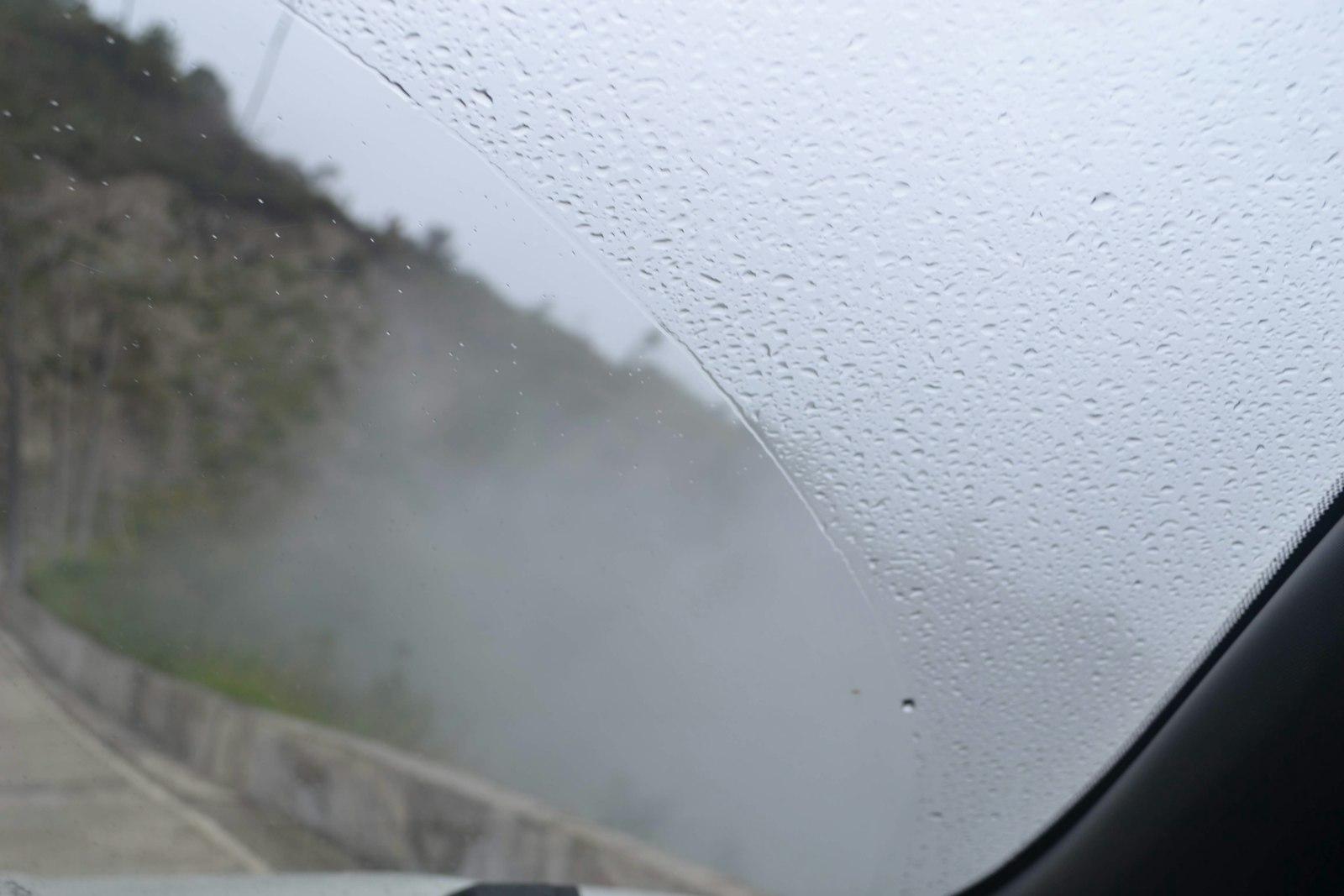
- Cold heat and a normal gauge: drivable for now, but book a check. A fogged windshield in SF rain is a real visibility hazard.
- A sweet smell inside the car or fog on the glass that comes back: suspect the heater core. Open the windows and get it looked at soon.
Low coolant or a coolant leak
Low coolant is one of the most common reasons a heater blows cold. The heater core is a small radiator behind your dashboard, fed by hot engine coolant. On many cars it's one of the highest points in the system, so when coolant runs low, air collects there first and the heat goes away before anything else seems wrong.
To check it yourself, wait until the engine is fully cold. Find the plastic coolant reservoir and look at the level. It should sit between the FULL and LOW marks when the engine is cool, as the Mazda manual describes. Use the coolant type listed in your owner's manual.
Topping off gets you home, but coolant doesn't get used up, so if it's low, it's leaking somewhere. We find the leak with a cooling system pressure test and, when needed, UV dye. If your heat went cold right after a coolant change, the system may just have an air pocket that needs bleeding. Our radiator and cooling system service covers leak testing, bleeding and repairs.
Thermostat stuck open
A thermostat is a valve that keeps coolant in the engine until it warms up. If it sticks open, coolant flows to the radiator too early. The engine never reaches full temperature, the gauge sits low, and the heat stays lukewarm.
This one is easy to miss in San Francisco. On a 10-minute trip from Bernal Heights to SoMa, a lot of engines never fully warm up anyway, so a weak heater feels normal. The clue is the gauge. If it used to reach the middle and now stays near cold, suspect the thermostat.
Replacement is quick on some cars, under an hour of labor. On others, intake parts have to come off first, which is why the price range is wide.
Clogged or leaking heater core
When the heater core clogs, coolant can't flow through it, so you get cold air even with a full reservoir and a normal gauge. A shop can confirm this by feeling the two heater hoses at the firewall once the engine is warm. A hot inlet and a cool outlet point to a blockage.
A leaking heater core gives itself away differently: a sweet, syrupy smell in the cabin, a greasy film on the inside of the windshield, or a damp carpet on the passenger side.
A flush can clear a partial clog. A leak means replacement. This is the job with the widest price range, and the reason is labor. On many cars the whole dashboard has to come out to reach the heater core, which can take a full day or more. On others it's a few hours.
Blend door actuator problems
A blend door is a flap inside the dash that mixes hot and cold air. A small electric motor called an actuator moves it. When the actuator fails, you'll often hear clicking or tapping behind the dash. On dual-zone systems, one side can go cold while the other stays hot. Some cars get stuck blowing only on the windshield or only on the floor.
It's rarely urgent. Replacement can be simple when the actuator sits behind the glove box. On some models, the dash has to come apart, which pushes the cost toward the top of the range.
Blower motor or blower resistor
If the fan only works on the highest setting, the blower motor resistor has almost certainly failed. That's the classic sign, and it's one of the cheaper fixes on this list. If there's no air at all on any setting, check the fuse first, then the blower motor itself. A failing motor often squeals, rattles or cuts in and out before it quits.
Defrost not working in your car, even though the heat is?
Defrost mode usually turns on the A/C compressor, even in winter. The compressor pulls moisture out of the air before it reaches the glass. If it isn't engaging, because of low refrigerant, a bad clutch or an electrical fault, warm air alone clears fog much more slowly. Heat works, but the windshield stays fogged.
You can see this in most owner's manuals. Mazda's manual, for example, says the air conditioner turns on automatically in defroster mode, and recommends A/C plus full heat for maximum defrosting.
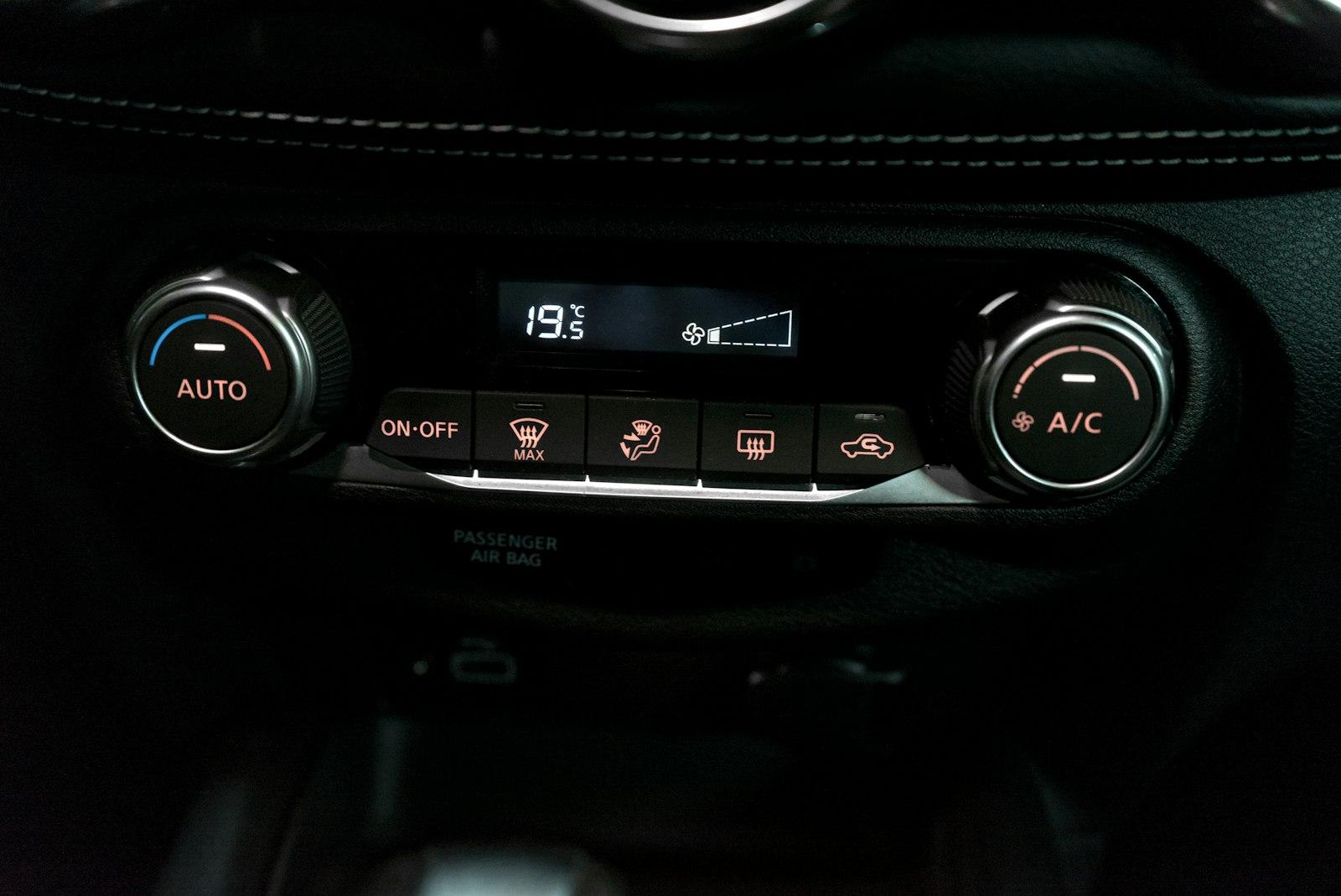
Try these in order before booking:
- Switch from recirculate to fresh-air mode. Recirculated air from a car full of damp passengers fogs glass fast.
- Turn the A/C on with the heat.
- Replace the cabin air filter if it's old. A clogged one chokes airflow.
- Clean the inside of the windshield. A film of grime gives moisture something to cling to.
- If it still fogs, book an A/C diagnosis.
The A/C repair cost depends partly on your refrigerant. According to the EPA, R-1234yf is now used in the majority of light-duty vehicles. It costs more than the older R-134a, so A/C recharges on newer cars land at the higher end of the range.
In SF, damp marine air fogs glass in summer too, and our rainy season car checklist covers the rest of wet-weather prep. For rideshare and delivery drivers it's also a legal issue. California Vehicle Code section 26712 requires vehicles that carry passengers for hire to have a defroster that can clear fog and moisture from the windshield.
Rear defroster not working
The rear defroster is a separate electrical system: the thin lines on the back glass are a heating grid. When it stops working, the cause is usually a blown fuse or relay, a scratched grid line, or a terminal tab that has come unglued from the glass.
This is honest DIY territory. Check the fuse first. If one strip stays fogged while the others clear, a broken line is likely, and repair kits for grid lines are sold at auto parts stores. A detached tab or a wiring fault is a quick shop job.
What you can check before calling a shop
A few minutes of checking can narrow down the cause and save diagnostic time. Do these with the engine cold and the car parked safely.
- Coolant level. Low means a leak to find. Full rules out the most common cause.
- Listen behind the dash while you change the temperature. Clicking points to a blend door actuator.
- Test every fan speed. Working only on high means the blower resistor.
- Press defrost and watch the A/C light. If it never comes on, or the windshield still fogs, the A/C side needs a look.
- Check the fuses for the blower and the rear defroster.
Don't pour in stop-leak additives as a fix, since they can clog the heater core you're trying to save. For electrical faults or anything unclear, a diagnostic appointment gets you an answer before you spend money on parts.
Heater and defroster repair costs at an SF independent shop
Most heater and defroster repairs cost between $150 and $800 at an independent shop in the Bay Area. Heater core replacement and A/C compressor jobs are the expensive exceptions, often $1,000 or more, because of labor or parts. The symptom table above lists the typical range for each repair.
Finding the cause usually comes first. A diagnosis or cooling system pressure test typically runs $150–$250. Every car is different, so we give you a written estimate before any repair.
For context, RepairPal's estimate puts the national average for heater core replacement at $1,375 to $1,912, and most of that is labor. Bay Area labor rates run from $125 or less to more than $300 an hour, according to Consumers' Checkbook. Dealers typically charge more for labor, which matters most on dash-out jobs.
Why we see this so often on SF cars
Plenty of SF cars rack up very few miles, but coolant breaks down with time as well as mileage. A ten-year-old car with 40,000 miles can still have tired coolant and corroded passages. Following the coolant schedule in your owner's manual as part of regular preventative maintenance heads off most of these problems.
Planning a snow trip? A weak heater is an inconvenience in the city and a real problem on I-80. If you're heading to Tahoe, check your heater and defroster first.
What to check first when the heat goes cold
Watch the temperature gauge before anything else: climbing means stop, normal means you have time to check the coolant and fan speeds. If those don't point to the cause, book a diagnosis. Most heater repairs cost far less than the heater core jobs people worry about.
Frequently Asked Questions
Why is my car heater blowing cold air but not overheating?
If the temperature gauge stays normal, the engine is usually fine for now. The most likely causes are a thermostat stuck open, a failed blend door actuator, or coolant that's slightly low. Check the coolant level on a cold engine first, then book a diagnosis if it's full.
Why does my heater only work when I'm driving, not at idle?
Heat that fades at idle and returns when you drive usually means coolant isn't circulating well at low engine speed. Common causes are low coolant, an air pocket in the system after a coolant change, or a weak water pump. Check the coolant level when the engine is cold, and have it looked at soon.
Why is the heat cold on the passenger side only?
On cars with dual-zone climate control, one side blowing cold almost always points to a failed blend door actuator on that side. It isn't a safety problem. On some cars the actuator is easy to reach, while on others part of the dash has to come apart.
How much does it cost to fix a car heater that blows cold air?
At SF Bay Area independent shops, most fixes run roughly $150 to $800, such as a thermostat, blend door actuator, blower resistor or coolant leak. A heater core replacement can run $900 to $2,500 or more because the dashboard often has to come out. Exact cost depends on the car; you'll get a quote before we start.
Can I drive with a bad heater core?
Not for long. A clogged heater core mainly costs you heat and defrost, but a leaking one lets coolant into the cabin and keeps fogging the windshield. It can also drain the cooling system until the engine overheats. Watch the temperature gauge and get it repaired soon.
Andy Morales
Owner & ASE-Certified Master Technician, 415 Mechanix
Andy has worked on cars for more than 20 years and founded 415 Mechanix in Potrero Hill in 2018. He's an ASE-certified Master Technician who would rather explain a repair than upsell one.
Need AC & Heating?
Book online or call us. We're on 25th Street in Potrero Hill, and we explain every repair and quote it before we start.
Learn about our ac & heating service →