When to Replace Brake Pads in San Francisco (and How Long They Really Last on SF Hills)
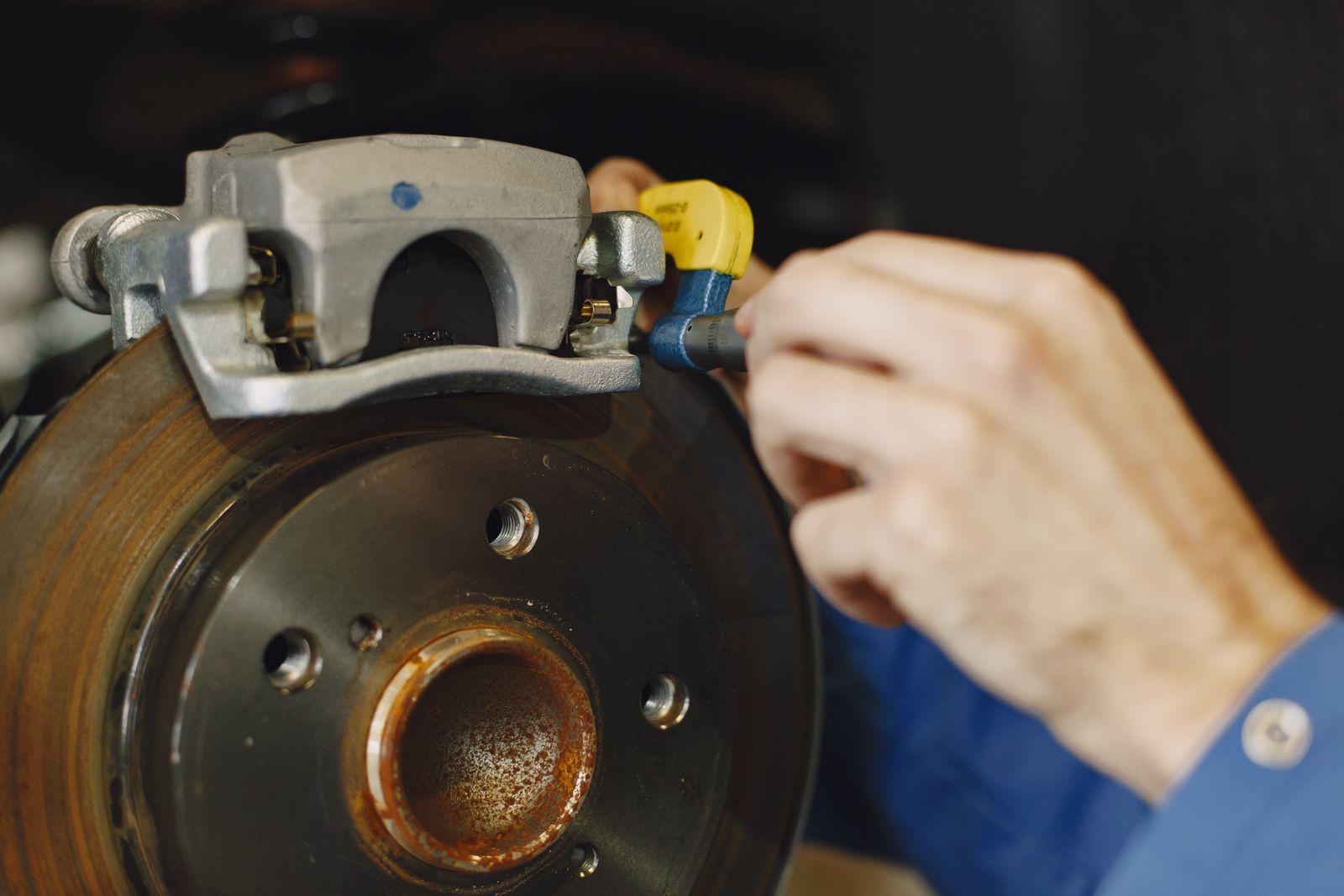
When to replace brake pads comes down to thickness: replace them when the friction material is down to about 3 mm (1/8 inch), and start planning the job at about 6 mm (1/4 inch). Replace them right away if you hear grinding. Most pads last somewhere between 20,000 and 70,000 miles, and San Francisco hills and stop-and-go traffic push most city cars toward the low end of that range.
I'm Andy, an ASE-certified Master Technician, and we check brakes every week at our shop on 25th Street in Potrero Hill. Below is what we look for, what the numbers mean, and what brake repair in San Francisco typically costs, plus when it's fine to wait.
How long do brake pads last?
Most brake pads last 20,000 to 70,000 miles, according to NAPA's brake pad guide. That's a wide range because your driving matters more than the odometer. A car that mostly cruises the freeway can reach the high end, while a car that lives on city streets usually lands near the low end.
Pad material plays a part too. Ceramic pads are quiet, make little dust and tend to last a long time. Semi-metallic pads grip hard and handle heat well, but they wear rotors a bit faster and can be noisier.
These habits and conditions shorten pad life:
- Steep hills, especially long downhill stretches
- Stop-and-go traffic with frequent full stops
- Heavy loads, like a full car or a work van with tools
- Hard, late braking instead of easing off early
- A sticking caliper or seized slide pins, which keep one pad dragging on the rotor
Why do brake pads wear faster in San Francisco?
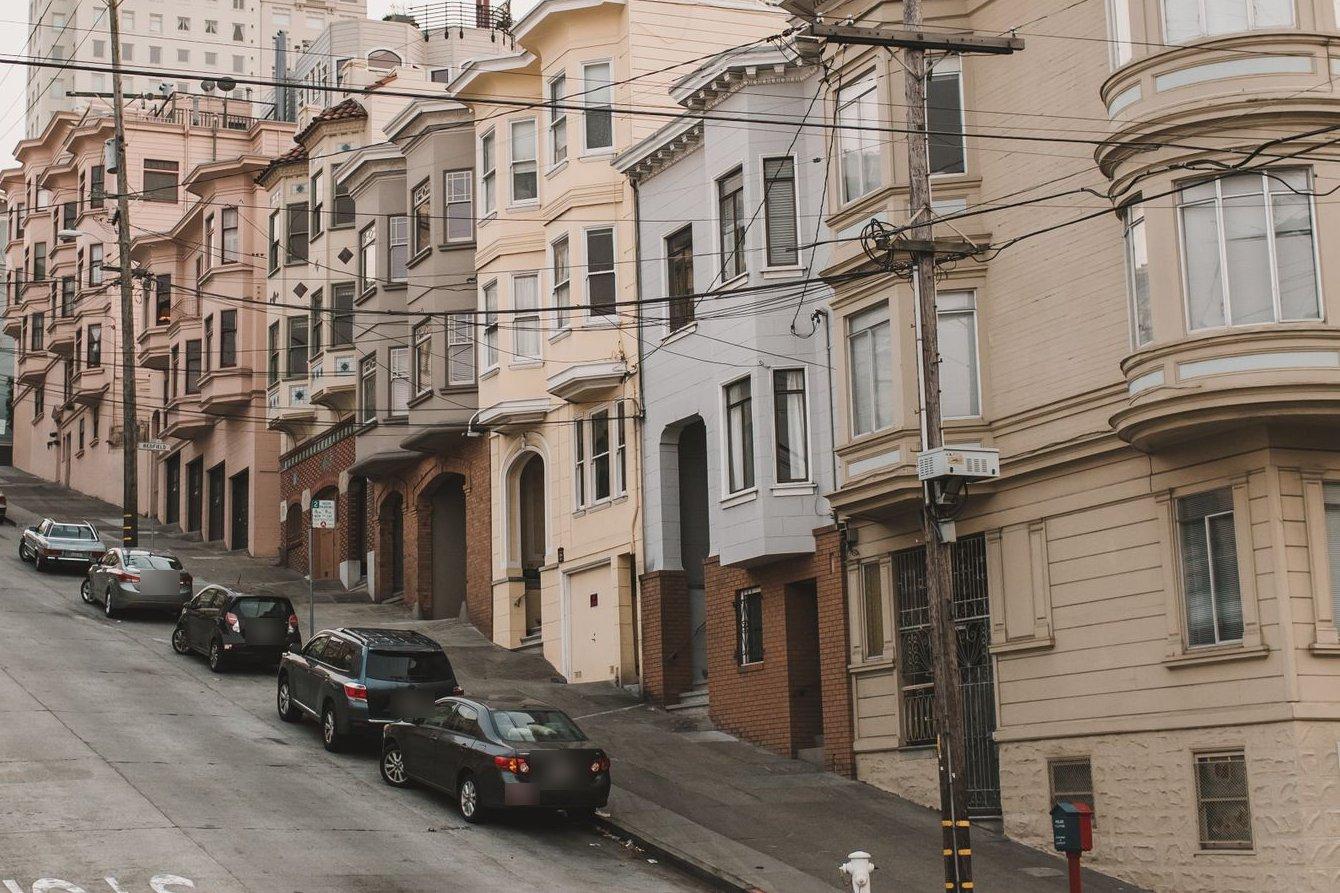
City driving here is close to the hardest job a set of brake pads can get. Every stop turns the car's motion into heat at the pads, and SF drivers make a lot of stops. Hills add gravity to the mix, so the brakes have to hold back the full weight of the car on every descent.
Here's what we see on SF cars:
- Downhill braking. Coming down a steep block in Potrero Hill or Bernal Heights, the pads work the whole way. More heat means faster wear, and very hot brakes can glaze pads and overheat rotors.
- Stop-and-go traffic. A mile on Mission Street or 16th Street can mean several full stops, while a mile on I-280 might mean none.
- Hill parking. The parking brake holds the car's weight every time you park on a slope. That isn't pad wear, but over time it stretches cables and wears the rear parking brake parts.
- Rideshare and delivery miles. Rideshare and delivery cars rack up city stops fast, so their pads can wear out in a fraction of the usual time.
Worn suspension also makes brakes and tires work harder on rough, steep streets. If the car dives hard or bounces when you stop, have the steering and suspension checked at the same visit.
Hill parking also loads the parking brake every night, so we check it with every brake inspection. For the curbing law and the right parking order, see is parking on a hill bad for your car?
When to replace brake pads by thickness (mm and percent)
Replace brake pads at about 3 mm of friction material left. Start planning at about 6 mm, which is roughly half worn on a typical pad. NAPA advises replacing pads once they're below 1/4 inch (about 6 mm). German auto parts maker HELLA puts the usual wear limit for disc pads at about 2 mm.
Our rule of thumb sits between those two numbers: at 3 mm you still have a safety margin, and the rotors are usually still fine.
| Pad thickness | Approx. % left (of 12 mm new) | What it means |
|---|---|---|
| 10-12 mm | 85-100% | New or nearly new |
| 7-9 mm | 60-75% | Healthy. Recheck at your next service |
| About 6 mm (1/4 in) | About 50% | Plan the job. On a city car, that may be within the year |
| 3-4 mm (about 1/8 in) | 25-35% | Replace now |
| 2 mm or less | Under 20% | At or past the wear limit. Rotor damage comes next |
New pad thickness varies by car, so treat the percentages as rough guides. Also, the two pads on one wheel don't always wear evenly. If the inner pad is much thinner than the outer one, the caliper or its slide pins usually need attention too.
6 signs you need new brake pads
The most common sign is a high-pitched squeal when you brake. The others are grinding, a pulsing pedal, longer stops, a pad warning light and the car pulling to one side. Most of these mean "book it soon," but grinding means "today," because metal is probably already touching the rotor.
- High-pitched squeal. Many pads have a small metal tab, called a wear indicator, that rubs the rotor and squeals when the pad is nearly worn out.
- Grinding or growling. This usually means the pad material is gone and metal is touching the rotor. Stop driving as soon as you safely can.
- Pulsing pedal or shaking steering wheel. This usually points to uneven or warped rotors, often from heat.
- Longer stops or a soft, low pedal. Worn pads can cause this, but so can low brake fluid or air in the lines. Have it checked right away.
- Brake pad warning light. Some cars have electronic wear sensors that turn on a dash light when the pads reach their limit.
- Pulling to one side. A sticking caliper or uneven pad wear can pull the car when you brake. If it pulls while you're driving straight, it may be a wheel alignment issue instead.
One squeal you don't need to worry about: after a rainy or foggy night parked on the street, the rotors grow a thin layer of surface rust. The brakes may squeak for the first few stops, then go quiet, and that's normal. A squeal that stays all day is not. Wet roads also make worn pads more dangerous, so it's worth a check before the rainy season starts.
Brake pads vs rotors: do you need both?
In most cases, yes. We recommend replacing pads and rotors together on the same axle. New pads need a flat, even rotor surface to grip smoothly. Putting them on a worn rotor is a common cause of squeaks, a pulsing pedal or pads that wear out early, which means a second visit you didn't plan for.
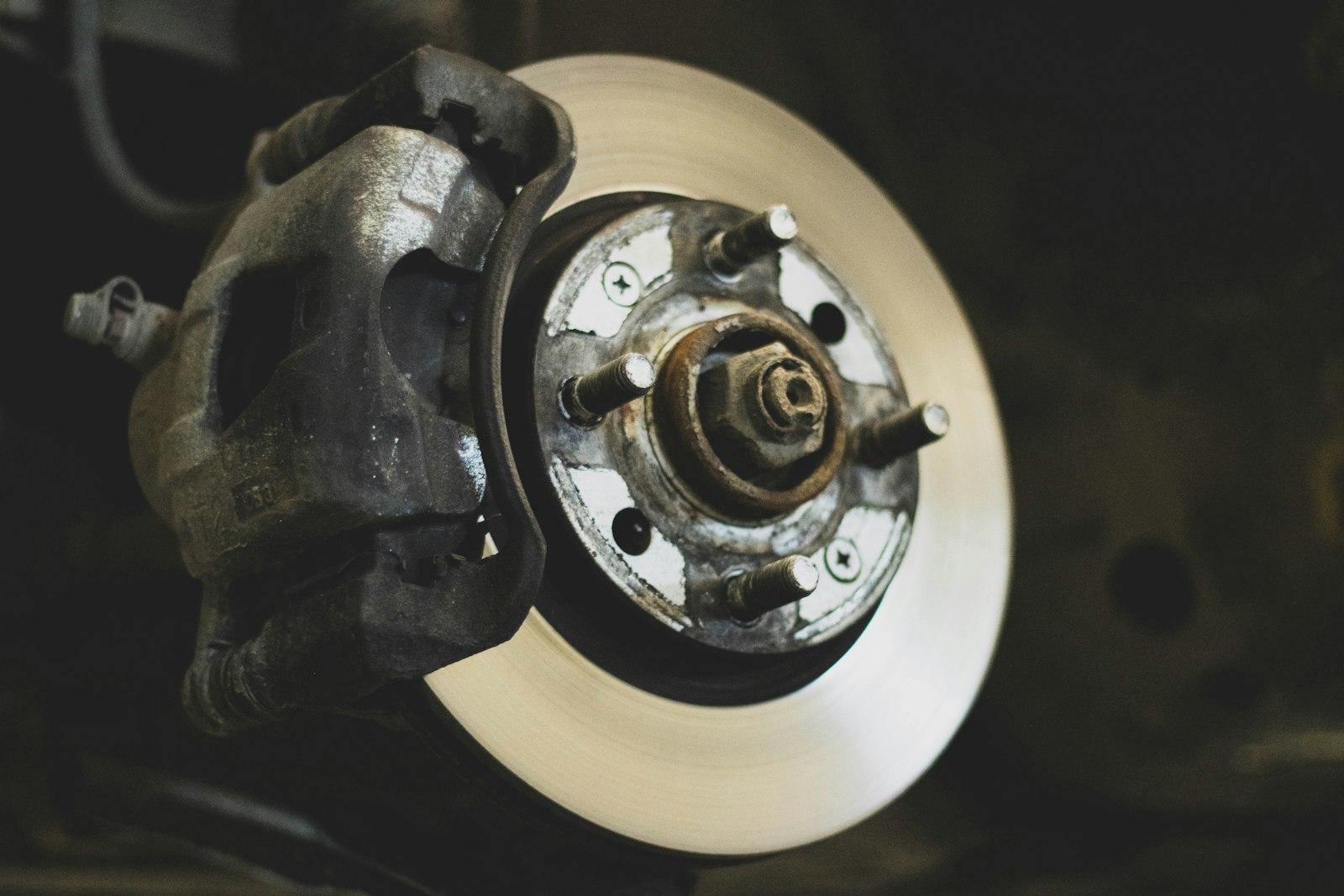
The rotor is the metal disc the pads squeeze, and it wears along with them. Rotors can sometimes be resurfaced on a brake lathe, but many modern rotors are thin from the factory, so there's often too little metal left to cut safely. Once labor is counted, a new rotor is usually the better value, and the brakes feel like new again.
This is where waiting costs money. Pads replaced on time mean a standard pads-and-rotors job. Pads run down to metal can chew into the caliper too, and calipers can add several hundred dollars per wheel.
How much does brake pad replacement cost in San Francisco?
At SF Bay Area independent shops, a front or rear brake job with new pads and rotors usually runs about $500-$900 per axle. European cars, performance brakes and heavy SUVs cost more. Exact cost depends on the car; you'll get a quote before we start.
These are broad market ranges, not quotes:
| Brake job | SF Bay Area independent shop (typical range) |
|---|---|
| Pads and rotors, per axle | $500-$900 |
| Pads and rotors, European, performance or heavy SUV, per axle | $700-$1,400 |
| Brake fluid flush, whole car | $120-$220 |
| Caliper replacement, each (added to a brake job) | $250-$600 |
For a national reference, RepairPal estimates brake pad replacement at $335-$394 and brake rotor replacement at $574-$698, before tax and without adjusting for location. Bay Area labor rates sit above the national average.
What moves the price:
- Pad and rotor quality. Premium ceramic pads and coated rotors cost more but often last longer and stay quieter.
- Rotors. Replacing them is the biggest jump in cost, which is why catching pads early saves money.
- Wear sensors. Cars with electronic sensors need new ones with the pads. HELLA notes the sensors should always be replaced along with the pads.
- Electronic parking brakes. On many newer cars, the rear calipers must be retracted with a scan tool before the pads come out.
- European parts. BMW, Audi and Mercedes parts usually cost more.
Dealers typically charge more for labor than independent shops. If you want a second opinion on a dealer quote, we're happy to look at the car and give you our own brake repair quote.
Can you check your brake pads yourself?
Often, yes. On many cars with open alloy wheels, you can shine a flashlight through the spokes and see the outer pad against the rotor. If the pad material looks thinner than about 1/4 inch, it's time to book an inspection. You can't see the inner pad this way, and on many cars it wears faster than the outer one.
Come in rather than guess if you notice any grinding, pulling, a soft pedal or a brake warning light. A good habit is to ask for pad measurements in millimeters whenever your car is on a lift, like at an oil change. Then you can plan the brake job months ahead instead of being surprised by it.
Measure early, replace by 3 mm
Plan for new pads at about 6 mm and replace them by 3 mm, which in San Francisco often comes sooner than a generic mileage chart suggests. Treat a lasting squeal as a reminder and grinding as a stop sign. Catching pads early keeps the job to pads and rotors, without calipers added to the bill. If you're not sure how much pad you have left, you can book a brake inspection and we'll measure it for you.
Frequently Asked Questions
How many miles do brake pads last in city driving?
Pads generally last 20,000 to 70,000 miles, and city driving sits near the low end. Frequent stops, steep hills and heavy loads all add heat and wear. The only reliable way to know is to have the pad thickness measured in millimeters.
Should I replace front and rear brake pads at the same time?
No. Pads are replaced in pairs on the same axle, both fronts or both rears, but the axles don't need to match. Front pads usually wear out first because they do most of the braking. Replace each axle when its pads reach about 3 mm.
Is it safe to drive with squeaky brakes?
A short squeak after a damp night is usually surface rust and clears in a few stops. A squeal that lasts all day often means the wear indicator is touching the rotor, so book a brake check soon. Grinding means metal is likely on metal, so stop driving as soon as you safely can.
Should I replace rotors when I replace brake pads?
We recommend it. New pads grip best on a fresh, flat rotor, and pairing new pads with worn rotors is a common cause of noise, a pulsing pedal and short pad life. Many modern rotors are also too thin to resurface, so replacing pads and rotors together is usually the most reliable, best-value brake job.
Do brake pad wear sensors need replacing with new pads?
Yes, on cars that have them. Electronic wear sensors are built to wear through when the pads reach their limit, and parts maker HELLA says they should always be replaced along with the pads. It's a small part, but it adds a little to the cost on cars that use them.
Are ceramic or semi-metallic brake pads better for San Francisco driving?
It depends on the car and how you use it. Ceramic pads run quieter, leave less dust on the wheels and usually last longer, which suits most commuter cars. Semi-metallic pads handle heat and heavy loads well, so they suit work vans and heavier vehicles, but they can be noisier and wear rotors a bit faster. Our rule of thumb is to stick with the type the car came with unless there's a clear reason to change.
Andy Morales
Owner & ASE-Certified Master Technician, 415 Mechanix
Andy has worked on cars for more than 20 years and founded 415 Mechanix in Potrero Hill in 2018. He's an ASE-certified Master Technician who would rather explain a repair than upsell one.
Need Brake Repair?
Book online or call us. We're on 25th Street in Potrero Hill, and we explain every repair and quote it before we start.
Learn about our brake repair service →